Best Bird Repellent Devices to Keep Your Home Safe?
Keeping your home safe from birds can be challenging. Bird Repellent Devices have become essential tools for homeowners. These devices can prevent birds from nesting or roosting in unwanted areas.
There are various types of bird deterrents available. Some devices use sound or visual deterrents, while others may emit mild electric pulses. Each method has its pros and cons. For instance, visual devices can scare birds away, but they may become less effective over time.
Bird activity can lead to significant damage. Their droppings can harm roofs, cars, and outdoor furniture. Choosing the right Bird Repellent Devices is crucial. It requires understanding your specific needs and the bird species in your area. Weighing effectiveness and potential drawbacks is vital for creating a balanced solution.
Overview of Bird Problems and Their Impact on Homes
Birds can cause significant issues for homeowners. They often nest in eaves, gutters, and roofs. Their droppings can damage surfaces and create unsanitary conditions. In fact, a report from the National Pest Management Association indicates that bird droppings can lead to costly property damage, sometimes exceeding thousands of dollars.
Moreover, birds like pigeons and sparrows can pose health risks. They can transmit diseases through their droppings and nesting materials. The Centers for Disease Control and Prevention lists several diseases associated with birds, including histoplasmosis and cryptococcosis. Homeowners might not realize that a few nestings can lead to larger infestations.
Many are unaware of the potential long-term effects of these problems. Houses can suffer structural wear if neglected. Cleaning and repairs can become overwhelming. Some may consider preventive measures later, but by then, the damage could be done. Taking proactive steps now can save homeowners significant headaches. Addressing bird problems should not be an afterthought.
Best Bird Repellent Devices to Keep Your Home Safe
| Device Type |
Effectiveness |
Range |
Power Source |
Price Range |
| Ultrasonic Repeller |
Moderate |
Up to 1,000 sq ft |
Electric |
$30 - $50 |
| Reflective Tape |
High |
Varies |
None |
$10 - $20 |
| Bird Spikes |
Very High |
N/A |
None |
$15 - $40 |
| Netting |
High |
Customizable |
None |
$20 - $60 |
| Active Sound Devices |
Moderate |
Up to 1 acre |
Battery/Solar |
$50 - $100 |
Types of Bird Repellent Devices Available in the Market
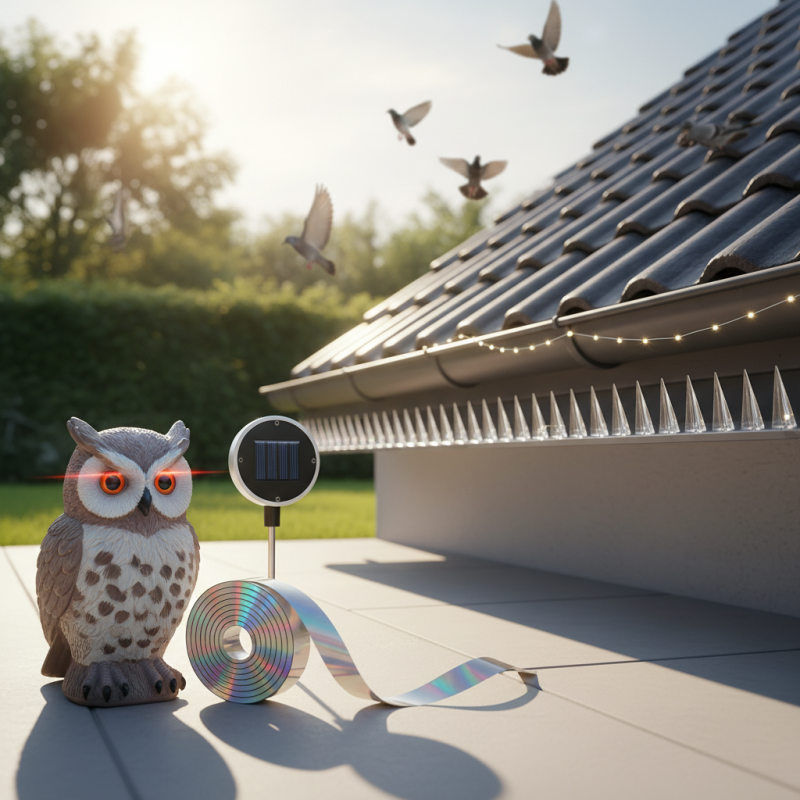
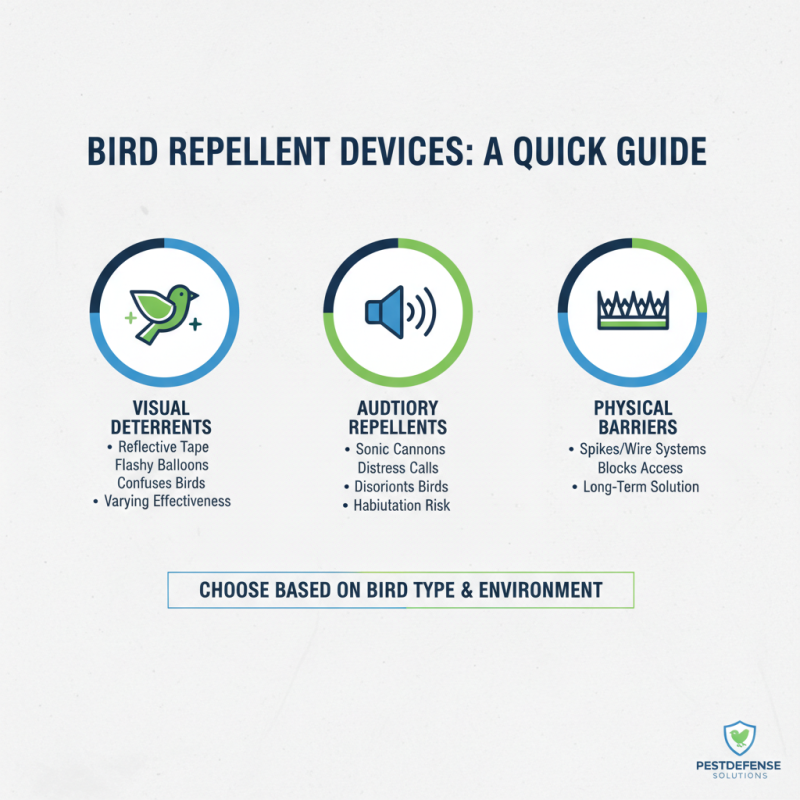
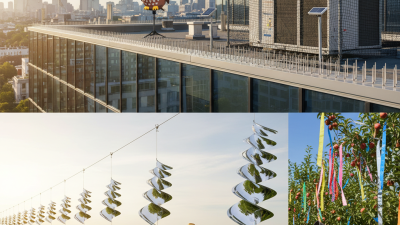
When it comes to keeping birds away, various repellent devices are available in the market. These devices cater to different needs and environments. Visual deterrents, like reflective tapes or flashy balloons, create confusion for birds. They might seem simple, but effectiveness can vary. Sometimes, birds become accustomed to these visuals quickly.
Sound-based devices are another option. They emit distress calls or predator sounds. Such sounds may scare birds initially. However, some birds might not respond as expected over time. It's essential to observe their behavior. Ultrasonic devices that emit high-frequency sounds are also popular. They are silent to humans but uncomfortable for birds. Still, the effectiveness can be inconsistent.
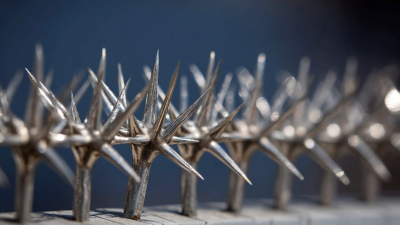
Lastly, physical barriers are worth considering. Netting or spikes can prevent birds from landing. While these methods work well, installation can be tricky. They require careful planning and might not fit every space. It's important to assess your situation before making choices. Experimenting with different types may reveal which ones work best for your home.
How Ultrasonic Devices Work to Deter Birds
Ultrasonic devices are gaining popularity as bird repellents. These gadgets emit high-frequency sounds that are beyond human hearing. Birds, however, can detect these sounds, which can annoy and disrupt their behavior. According to a study published in the Journal of Applied Ecology, ultrasonic devices reduced bird populations in tested areas by up to 70%. This statistic shows their effectiveness in certain environments.
These devices work by mimicking natural predator sounds or creating unpleasant noises for birds. The discomfort from these noises encourages birds to leave the area. However, some critics argue that not all bird species are equally affected. For example, some birds may grow accustomed to the sounds over time. A report from the National Wildlife Control Operators Association suggests that incorporating other deterrent methods can enhance effectiveness.
The placement of these devices is crucial. Positioning them near bird entry points increases their effectiveness. However, factors like wind direction and proximity to obstacles can impact sound dispersion. It's essential to monitor effectiveness and adjust placement as needed. While ultrasonic devices show promise, they are not a simple fix. A comprehensive strategy may be necessary for long-term bird control.
Visual and Physical Bird Deterrents: An Analysis
Birds can create significant challenges for homeowners. Visual deterrents prove effective in managing these issues. Scarecrows, for instance, are a classic method. They take various forms, often resembling humans. Their movement and atypical shapes can frighten birds away. Reflective surfaces, like aluminum foil strips, also serve well. These surfaces catch light and create movement, disrupting the birds' comfort.
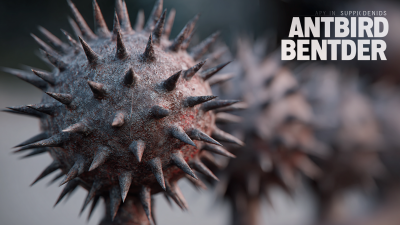
Physical barriers like nets or spikes protect your space from unwelcome visitors. Bird netting is a flexible solution, ideal for balconies and gardens. However, installation can be tricky and may require careful planning. Spikes are effective for ledges but might not suit all surfaces. Sometimes, homeowners neglect maintenance, leading to reduced effectiveness over time.
Deterrents must be visible yet subtle. The goal is to dissuade without disrupting the environment. Balance is key. Some methods work for a while, but effectiveness can fade. Regularly changing tactics keeps birds guessing. Awareness is vital; consider your surroundings and challenges. Analyzing your approach may lead to better outcomes in keeping your home bird-free.
Best Bird Repellent Devices to Keep Your Home Safe
Tips for Effectively Using Bird Repellent Devices at Home
Bird repellent devices can be quite useful. However, using them effectively requires some thought. Begin by placing devices in areas where birds often gather. This might include patios or rooftops. The more visible the device, the more effective it tends to be. Sometimes, a slight adjustment in positioning makes a big difference.
Moreover, ensure you regularly check the devices. Birds can adapt quickly. For instance, if a shiny object is used, replace it periodically. This keeps it interesting for the birds. Additionally, consider the sound produced by certain devices. Some sounds can be annoying, which may deter birds. But, if the sound becomes repetitive, they could ignore it over time.
Finally, combine methods for better results. Visual and auditory repellent devices can work well together. Be mindful of your surroundings though. Excessive noise might disturb neighbors or other wildlife. Reflect on the changes you observe regularly. Adjustments may enhance effectiveness, and keeping a close watch on bird behavior can lead to better outcomes.



 Bird & Pigeon Pest Control
  Mice & Rat Pest Control
  Mole & Vole & Gopher Pest Control
  Fly Insect Pest Control
  Wasp & Bee Pest Control
  Moth Pest Control
  Mosquito Pest Control
  Cockroach Pest Control
  Wildlife Pest Control
  Snake Pest Control
  Bed Bug & Flea Pest Control
  Snail & Slug Pest Control
  Ant & Termites Pest Control
  Spider Pest Control
  Other Insect Pest Control
  Garden Products
  Blog
Blog  Dining Group
 Occasional Tables
 Barstool
 Company Profile
 Our Advantages
 Certification
 Factory VR
 Photos
 Videos
 Product News
 Industry News
 Media Live
 Our Services
 Distributor and Agent
 FAQs
FAQs