Best Bird Repellent Spikes How Effective Are They?
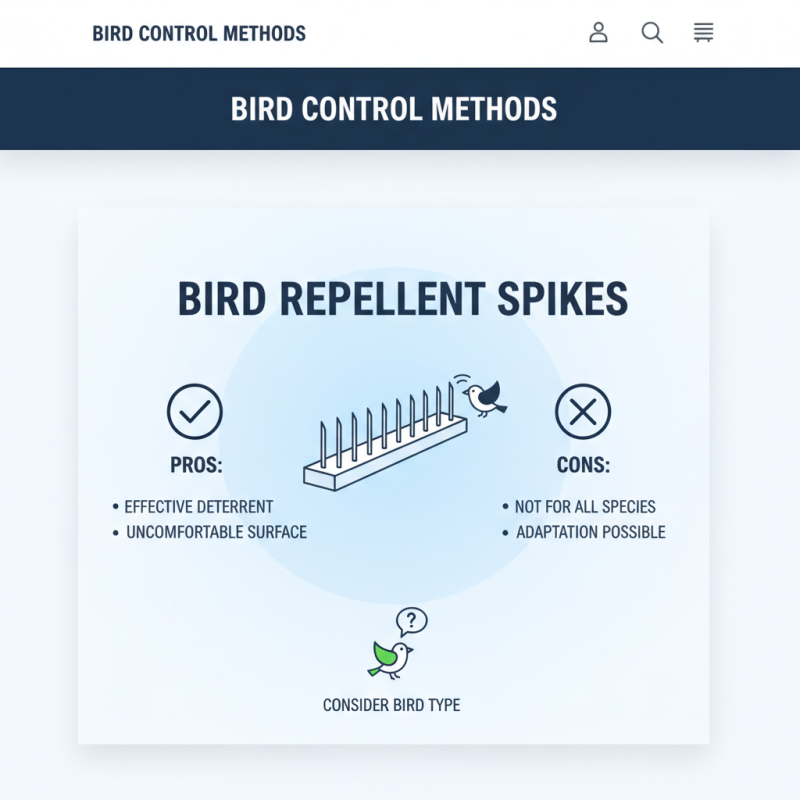
Bird repellent spikes are commonly used to deter birds from roosting on buildings and structures. They are designed to make surfaces uncomfortable for birds to perch. According to a 2022 industry report, bird damage costs businesses around $1.4 billion annually in the U.S. alone. Effective bird control is essential for maintaining property value and preventing health hazards.
While bird repellent spikes are popular, their effectiveness can vary. These spikes do not harm birds but may create an unpleasant landing space. Surprisingly, a study from the Journal of Wildlife Management found that some birds can adapt to spikes over time. This adaptability raises questions about long-term solutions.
To maximize effectiveness, placement and maintenance are crucial. Spikes should be installed on ledges, signs, and rooftops where birds frequently gather. Regular cleaning is necessary, as debris can reduce their effectiveness. The combination of spikes with other repellent methods may be more effective. Overall, bird repellent spikes can be a valuable part of an integrated bird control strategy, but they require consideration and ongoing evaluation.

Understanding Bird Repellent Spikes: An Overview of Their Functionality
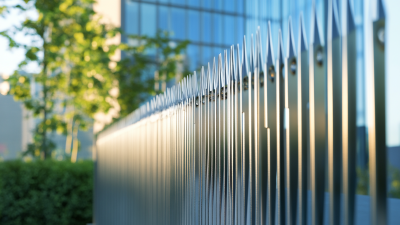
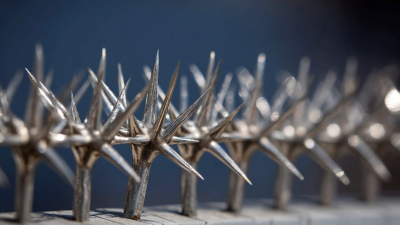
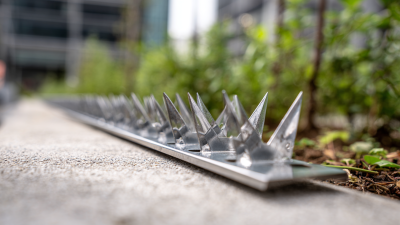
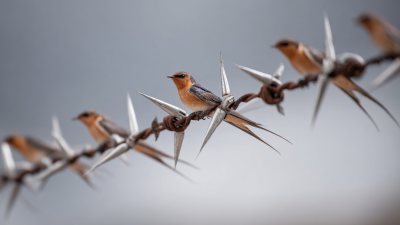
Bird repellent spikes are a widely used solution for keeping birds away from specific areas. They serve as a physical barrier that makes it uncomfortable for birds to land. Typically made from plastic or metal, these spikes can be placed on rooftops, ledges, and other surfaces. When installed correctly, they can significantly reduce bird activity. However, they are not foolproof. Some birds may adapt and find ways around them.
The spikes work by creating an unstable landing surface. Birds have a natural instinct to prefer flat areas for perching, and spikes disrupt this instinct. Visual deterrence also plays a role. The presence of spikes can signal to birds that an area is not hospitable. Though effective, these spikes may not deter all species equally. Larger birds or those used to urban environments might ignore them altogether.
Using spikes requires careful consideration. It's important to ensure they are placed in the right locations. Installing them incorrectly can lead to minimal effect. Maintenance is also necessary to keep them in top condition. If debris accumulates, the spikes may become less effective. It's crucial to observe bird behavior over time to assess their impact. While spikes can help manage bird populations, their effectiveness can vary widely.
Types of Bird Repellent Spikes and Their Specific Applications
Bird repellent spikes come in various types, each tailored to specific applications. There are stainless steel, plastic, and gel spikes, which serve different environments. Stainless steel spikes feature durability and resistance to rust. They can withstand harsh weather conditions and last for years. This makes them ideal for commercial buildings where long-term effectiveness is essential.
Plastic spikes are lighter and easier to install. They work well for residential areas and temporary applications. However, they may need replacement sooner than their metal counterparts. Gel spikes resemble adhesive and are effective in repelling birds without altering the aesthetic of a space. They are best used on ledges and windowsills.
According to a report from the National Pest Management Association, 70% of property owners notice a decrease in bird activity after installing spikes. However, it’s crucial to recognize that spikes alone may not solve all bird problems. Some birds might adapt or find alternative areas to roost. Regular maintenance and combining spikes with other deterrent methods can enhance their effectiveness. Monitoring ongoing bird behaviors will help ensure the best results.
Effectiveness of Different Types of Bird Repellent Spikes
This chart displays the effectiveness ratings of various bird repellent spikes. Each type has a distinct rating based on its material and design, showing how well it can deter birds from specific areas.
Effectiveness of Bird Repellent Spikes: What the Research Shows
Bird repellent spikes are a popular choice among property owners. These devices aim to deter birds from landing on ledges and rooftops. The effectiveness of these spikes varies based on several factors. Research shows that they can reduce bird activity, but they are not always foolproof.
Studies suggest that while spikes can prevent landing, they do not address all bird behavior. Some birds may still find ways to nest or perch nearby. Certain urban environments can diminish the spikes’ impact, as birds adapt to new situations quickly. The material and design also play a role in their success. Aesthetic concerns sometimes clash with functionality, leading to ineffective installations.
Reflecting on the use of bird spikes, it is evident that they are one tool in bird management. They work best when combined with other strategies. Observing the area before installation helps identify what may work best. Property owners need to regularly assess the situation. Continued evaluation ensures that the chosen methods remain effective. Some areas may require more creative solutions.
Installation and Maintenance Tips for Bird Repellent Spikes
Bird repellent spikes are effective in deterring unwanted birds from roosting in certain areas. To install them properly, clean the surface first. Remove any debris and ensure the area is dry. This helps the adhesive or mounting hardware stick well. Gaps should be avoided to prevent birds from finding a way in. Consider the height and angle. Misplacement can lead to poor results.
Maintenance is crucial for these spikes. Regular inspections can reveal wear and tear. Cleaning should be done occasionally to remove dust and debris. This keeps the spikes looking sharp and effective. Some users may overlook maintenance. Birds might adapt to dirty or worn spikes. A simple check can save you from further issues.
The installation process is not always straightforward. Beginners might struggle with positioning. Adjustments may be needed over time. If you experience continuous problems, reassess your techniques. Effective bird control requires diligence and care.
Alternative Bird Control Methods: Comparing Options and Effectiveness
When it comes to bird control, there are several methods available. Bird repellent spikes are often considered effective. They create an uncomfortable surface for birds, deterring them from landing. However, spikes may not work for all bird species. Some birds can adapt and find ways around them.
Alternatives to spikes exist. One popular method is using nets. Nets can physically block birds from accessing certain areas. They are effective in gardens or on rooftops. Visual deterrents, like scare balloons, also have merit. However, their effectiveness can wear off over time. Birds become accustomed to these threats.
Another viable method is sound devices. These emit noises that annoy birds, pushing them away. Yet, some people find these sounds disruptive. Considering these options involves weighing pros and cons. Not every method will suit every space or situation. Experimentation might be necessary to find what truly works.



 Bird & Pigeon Pest Control
  Mice & Rat Pest Control
  Mole & Vole & Gopher Pest Control
  Fly Insect Pest Control
  Wasp & Bee Pest Control
  Moth Pest Control
  Mosquito Pest Control
  Cockroach Pest Control
  Wildlife Pest Control
  Snake Pest Control
  Bed Bug & Flea Pest Control
  Snail & Slug Pest Control
  Ant & Termites Pest Control
  Spider Pest Control
  Other Insect Pest Control
  Garden Products
  Blog
Blog  Dining Group
 Occasional Tables
 Barstool
 Company Profile
 Our Advantages
 Certification
 Factory VR
 Photos
 Videos
 Product News
 Industry News
 Media Live
 Our Services
 Distributor and Agent
 FAQs
FAQs