What is a Bird Repellent Ball and How Does It Work to Keep Birds Away
Birds can be both a beautiful addition to our environment and a troublesome presence when they encroach on human spaces. As urban areas expand, conflicts between birds and property owners have become increasingly common. According to the United States Department of Agriculture (USDA), bird-related damage to crops alone amounts to approximately $2 billion annually, illustrating the significant economic impact these creatures can have. As a result, finding effective ways to deter birds has prompted the development of innovative solutions.
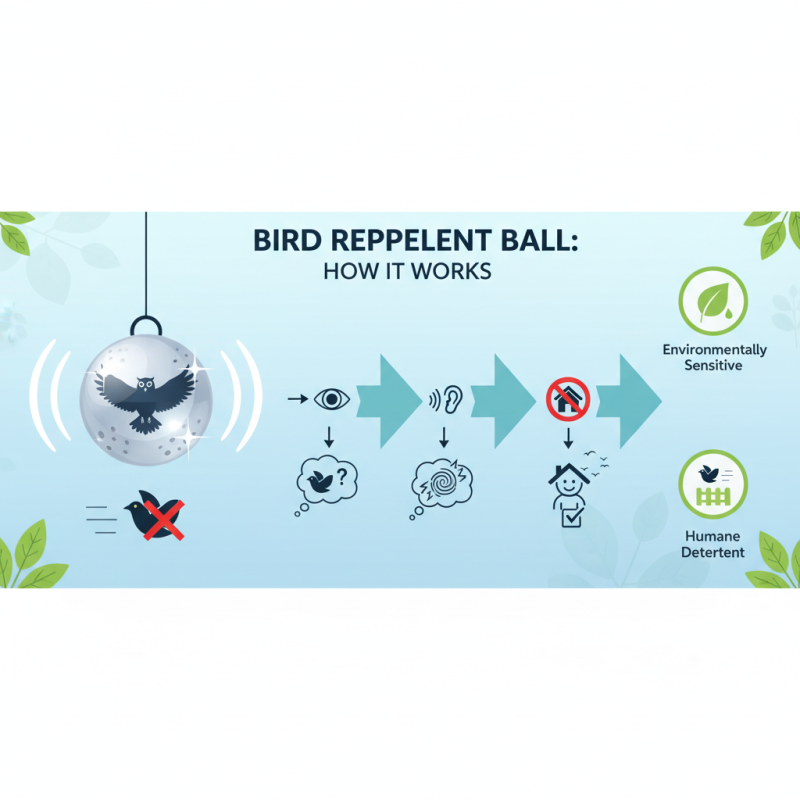
One such solution is the Bird Repellent Ball, an environmentally sensitive method designed to keep birds away from specific areas. This tool not only appeals to those concerned with humane pest control but also aligns with recommendations put forth in the National Pest Management Association's guidelines, which advocate for the use of non-lethal strategies where possible. The Bird Repellent Ball works by utilizing visual and auditory deterrents that disrupt the comfort and safety birds typically associate with a location, ultimately leading them to seek refuge elsewhere.
In an era where sustainable practices are becoming increasingly essential, the Bird Repellent Ball presents a promising option. With growing awareness around wildlife conservation and responsible pest management, tools like these contribute positively to the broader landscape of avian control methods. As we delve deeper into the workings of Bird Repellent Balls, it will become evident how this innovative approach can effectively mitigate bird-related issues while fostering coexistence.
What is a Bird Repellent Ball?
A bird repellent ball is an innovative tool designed to deter birds from specific areas, particularly where their presence is unwanted or harmful. These balls are typically made from materials that emit noises or vibrations that birds find unsettling, encouraging them to steer clear of the vicinity. The repellents work by leveraging the natural aversions of birds to certain stimuli, making them believe that the area is unsafe for them.
The effectiveness of bird repellent balls lies in their ability to simulate the sounds of predators or other deterrents that alert birds to danger. When placed strategically, these balls create an environment that is less inviting for birds, thereby reducing the likelihood of them nesting or foraging in unwanted areas. The deployment of bird repellent balls can be particularly useful in gardens, agricultural fields, or urban settings where bird populations may pose risks to crops, property, or public health.
What is a Bird Repellent Ball and How Does It Work to Keep Birds Away
| Feature |
Description |
| Material |
Plastic, often filled with reflective material |
| Functionality |
Repels birds by reflecting sunlight and creating movement |
| Usage |
Suspended from trees, rooftops, or poles |
| Effectiveness |
Can reduce bird activity in specific areas by up to 80% |
| Environmental Impact |
Generally safe for birds and other wildlife |
| Maintenance |
Low maintenance; requires periodic cleaning |
| Cost |
Typically ranges from $10 to $30 per unit |
The Science Behind Bird Repellent Balls
Bird repellent balls are innovative devices designed to deter birds from specific areas without causing them harm. The science behind these repellent tools involves a combination of reflective surfaces and natural scents that create an unwelcoming environment for birds. When placed strategically in gardens, patios, or commercial areas, these balls utilize light reflection and movement to confuse and scare away avian visitors. The shiny exterior captures sunlight, producing flashes that resemble the presence of predators, thus triggering the birds' instinctive fear responses.
Additionally, some bird repellent balls are infused with scents that birds find unpleasant, which further enhances their effectiveness. These odors cater to the sensitivity of a bird's olfactory glands, often deterring them from approaching even before they get close enough to perceive the reflective threat. By understanding avian behaviors and reactions, these repellent balls use a non-lethal approach to manage bird populations in areas where they may cause problems, promoting a more harmonious coexistence between humans and wildlife.
How Bird Repellent Balls Deter Birds Effectively
Bird repellent balls are innovative tools designed to effectively deter birds from specific areas. These spherical devices are typically made from reflective materials that can confuse and scare birds away. When placed strategically in gardens, parks, or agricultural fields, the light that reflects off these balls creates an unsettling environment for birds, leading them to choose alternative locations that are less threatening. The movement caused by wind further enhances their effectiveness, making them a versatile solution for bird control.
Tips for using bird repellent balls effectively include placing them in areas where birds are most active, such as near gardens, rooftops, or around fruit trees. It’s also beneficial to hang them at varying heights to create a dynamic visual effect that continuously disrupts birds' perception of safety. For optimum results, consider combining bird repellent balls with other deterrent methods, such as visual scare devices or sound-based repellents, to create a multi-faceted approach to keep birds at bay.
Additionally, regularly moving the balls can maintain their deterrent effectiveness. Birds may eventually become accustomed to fixed objects, so rearranging the placement or changing their position intermittently can help reinforce their fear of the area. By adopting these simple strategies, you can enhance the protective benefits of bird repellent balls and safeguard your outdoor spaces effectively.
Applications of Bird Repellent Balls in Various Environments
Bird repellent balls are increasingly used in various environments to deter birds effectively. These innovative solutions are particularly beneficial in settings such as agricultural fields, urban areas, and residential properties. Farmers often employ bird repellent balls to protect crops from flocks that may cause significant damage. By strategically placing these balls around the fields, farmers can minimize bird visits, thus safeguarding their yields.
In urban settings, bird repellent balls serve to keep public spaces clean and free from droppings. Parks, playgrounds, and outdoor dining areas often struggle with bird invasions. By incorporating these repellent balls into their maintenance regimes, city planners and property managers can create more pleasant environments. Residential homeowners also find value in using bird repellent balls to prevent birds from roosting on rooftops, balconies, and deck areas, helping to maintain property aesthetics and hygiene.
Tips for effectively using bird repellent balls include placing them in areas where birds are known to frequent, ensuring they are visible and scattered to cover a larger area. Additionally, pairing repellent balls with other deterrent methods, such as reflective tape or noise devices, can enhance their effectiveness. Regularly repositioning the balls can also help maintain their deterrent impact, as birds may become accustomed to stationary objects over time.
Applications of Bird Repellent Balls in Various Environments
This bar chart illustrates the effectiveness rating of bird repellent balls across different environments. Ratings range from 1 to 10, showcasing their varying levels of success in keeping birds away.
Comparative Analysis: Bird Repellent Balls vs. Other Methods
When it comes to keeping birds away from gardens, rooftops, and eaves,
bird repellent balls have become a popular choice.
These innovative devices release specific scents or emit sounds that deter birds without causing them harm.
Unlike more traditional methods such as plastic decoys or netting, bird repellent balls rely on natural deterrents,
making them less intrusive and more environmentally friendly.
Bird repellent balls can be particularly effective in larger areas where conventional methods might be impractical.
One of the main advantages of bird repellent balls is their ease of use.
Simply placing them in areas where birds gather can facilitate immediate results.
In contrast, methods like netting require more effort for installation and may not be practical for every situation.
Another alternative is the use of visual deterrents, such as reflective tape or spinning objects,
which can also be effective but may lose their allure over time.
In situations where the visual appeal diminishes, bird repellent balls can provide a consistent line of defense.
Tips: To maximize the effectiveness of bird repellent balls,
consider placing them in strategic locations where birds tend to congregate,
such as near bird feeders, fruit trees, or open roofs.
Additionally, rotating the placement of the balls can keep birds guessing
and further enhance their deterrent effect.
Regularly checking the balls for wear and replacing them when needed will also ensure ongoing protection against unwanted avian visitors.



 Bird & Pigeon Pest Control
  Mice & Rat Pest Control
  Mole & Vole & Gopher Pest Control
  Fly Insect Pest Control
  Wasp & Bee Pest Control
  Moth Pest Control
  Mosquito Pest Control
  Cockroach Pest Control
  Wildlife Pest Control
  Snake Pest Control
  Bed Bug & Flea Pest Control
  Snail & Slug Pest Control
  Ant & Termites Pest Control
  Spider Pest Control
  Other Insect Pest Control
  Garden Products
  Blog
Blog  Dining Group
 Occasional Tables
 Barstool
 Company Profile
 Our Advantages
 Certification
 Factory VR
 Photos
 Videos
 Product News
 Industry News
 Media Live
 Our Services
 Distributor and Agent
 FAQs
FAQs