Top Bird Repellent Ball Solutions to Keep Your Space Bird Free
Keeping your surroundings free from birds can be a challenging task, especially in areas where they tend to flock and create disturbances. One effective solution that has gained attention in recent years is the use of the Bird Repellent Ball. These innovative devices not only provide a visually appealing way to deter birds but also serve as a practical means to maintain the integrity of your property and the comfort of its occupants.
In this article, we will explore the various benefits and functionalities of Bird Repellent Balls. We will delve into how they work, their eco-friendly design, and their effectiveness in different environments. Furthermore, we will look at the advantages of using Bird Repellent Balls over traditional methods, emphasizing their non-invasive and humane approach to bird control. For both residential and commercial spaces, understanding these solutions can greatly enhance your ability to manage unwanted bird activity effectively.
Join us as we uncover the top Bird Repellent Ball solutions that can help you reclaim your space and enjoy a bird-free environment.

Understanding the Need for Bird Repellent Solutions in Urban Areas
Urban areas are increasingly becoming a haven for various bird species, drawn by the availability of food and nesting sites. While birds contribute to biodiversity and can be a delight to observe, they often create challenges for city dwellers and businesses alike. The accumulation of droppings on buildings, cars, and public spaces can lead to unsightly messes, structural damage, and health concerns. Consequently, there is a growing need for effective bird repellent solutions to maintain cleanliness and safety in urban environments.
Bird repellent solutions, particularly those designed to be humane and environmentally friendly, play an essential role in minimizing bird-related issues without harming the animals. These solutions can include visual deterrents, sound devices, and physical barriers that discourage birds from nesting or roosting in unwanted areas. As urban spaces continue to evolve and expand, it becomes crucial to implement strategies that balance the coexistence of wildlife and human activities, ensuring that cities are livable and pleasant for all inhabitants. The effectiveness of these repellent solutions not only helps in protecting urban infrastructure but also promotes responsible and sustainable interactions between humans and nature.
Top Bird Repellent Solutions in Urban Areas
This chart illustrates the effectiveness of various bird repellent solutions based on user feedback in urban environments. The data is presented as a bar chart showing the percentage of effectiveness reported by users for different solutions.
Types of Bird Repellent Balls Available on the Market
When it comes to keeping your space bird-free, bird repellent balls have become a popular choice for many. These versatile solutions come in various types, each designed to deter birds effectively. The most common types include visual deterrents, such as reflective balls or those resembling predator eyes, which create an illusion of danger for birds. Sound-emitting balls that produce distress calls or predator noises can also be found, providing an auditory deterrent that encourages birds to seek safer environments.
In addition to the traditional bird repellent balls, there are also eco-friendly options available. These balls are made from biodegradable materials and sometimes contain natural substances that birds find unpleasant. This makes them a great choice for environmentally conscious individuals looking to manage bird populations without using harmful chemicals or materials.
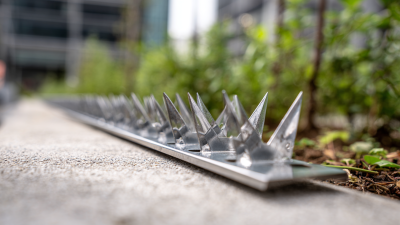
Tips for using bird repellent balls include strategically placing them in areas where birds are known to congregate, such as near gardens, patios, or rooftops. Regularly moving the balls can enhance their effectiveness, as birds may become accustomed to stationary deterrents. Additionally, combining bird repellent balls with other bird control methods, such as netting or spikes, can provide a more comprehensive strategy for keeping your space bird-free.
Top Bird Repellent Ball Solutions to Keep Your Space Bird Free
| Type of Bird Repellent Ball |
Material |
Effectiveness |
Durability |
Price Range (USD) |
| Plastic Bird Repellent Balls |
Plastic |
Moderate |
1-2 years |
5-15 |
| Metallic Bird Repellent Balls |
Metal |
High |
5+ years |
15-30 |
| Mylar Bird Repellent Balls |
Mylar |
High |
2-3 years |
10-20 |
| Eco-Friendly Bird Repellent Balls |
Biodegradable Materials |
Moderate |
1 year |
8-18 |
How Bird Repellent Balls Work: Science Behind the Repellents
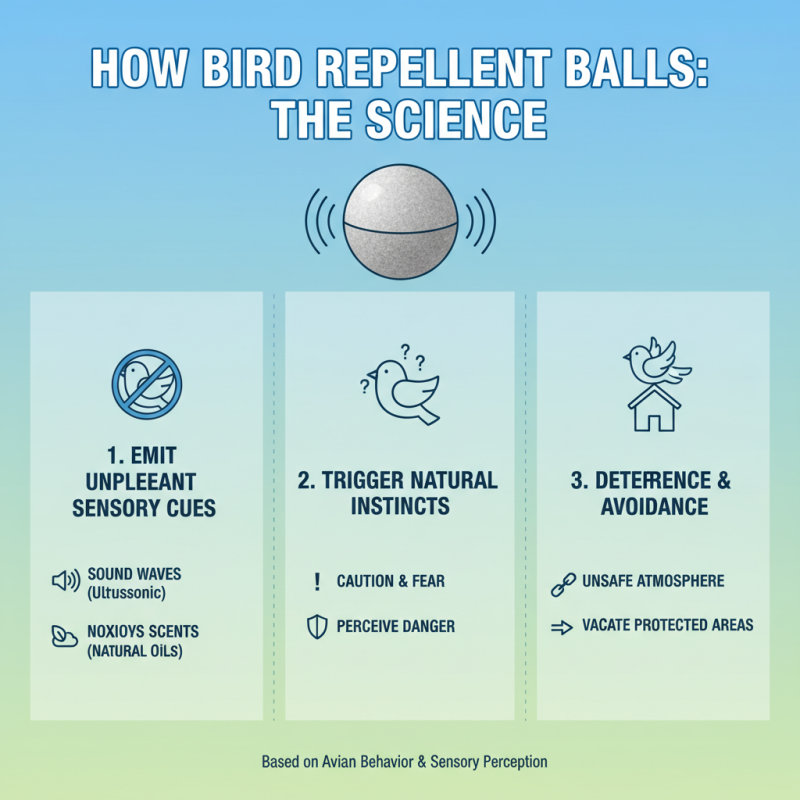
Bird repellent balls operate on a fundamental principle grounded in the behavior and sensory perceptions of birds. These devices are typically made from materials that emit specific sounds or scents that are unpleasant or alarming to birds, thereby deterring them from entering or remaining in certain areas. The science behind their effectiveness lies in the natural instincts of birds. Many species are inherently cautious and can recognize signals of danger, such as unfamiliar sounds or odorous substances. By manipulating these sensory cues, bird repellent balls can create an atmosphere that feels unsafe or unwelcoming for birds.
Moreover, some bird repellent balls utilize reflective surfaces to capitalize on birds' visual sensitivities. The play of light and reflections can mimic the presence of predators or other threats, further discouraging birds from approaching. This combination of auditory and visual deterrents allows bird repellent balls to be an efficient tool for maintaining areas free from unwanted avian visitors. The technology is designed to minimize the impact on the surrounding ecosystem while providing an effective solution for protecting properties, gardens, and crops from bird-related issues.
Installation and Placement Tips for Maximum Effectiveness
To effectively keep your space bird-free with bird repellent balls, proper installation and placement are crucial. First, consider the specific areas where birds are most likely to roost or gather. Common hotspots include rooftops, balconies, and ledges. By strategically placing the repellent balls in these high-traffic areas, you can create a deterrent zone that discourages birds from settling in.
When it comes to installation, ensure that the bird repellent balls are securely fixed to avoid being displaced by wind or other environmental factors. Depending on the design, you may need to use adhesive or hooks for attachment. It’s also important to maintain an adequate distance between each ball to maximize their effectiveness. Spacing them out can help create a more visually intimidating barrier for birds, as they are less likely to approach areas that seem overcrowded with obstacles. Regularly check the placement and condition of the balls to ensure they continue to function optimally, adjusting as necessary based on bird activity in the area.
Maintenance and Care for Longevity of Bird Repellent Solutions
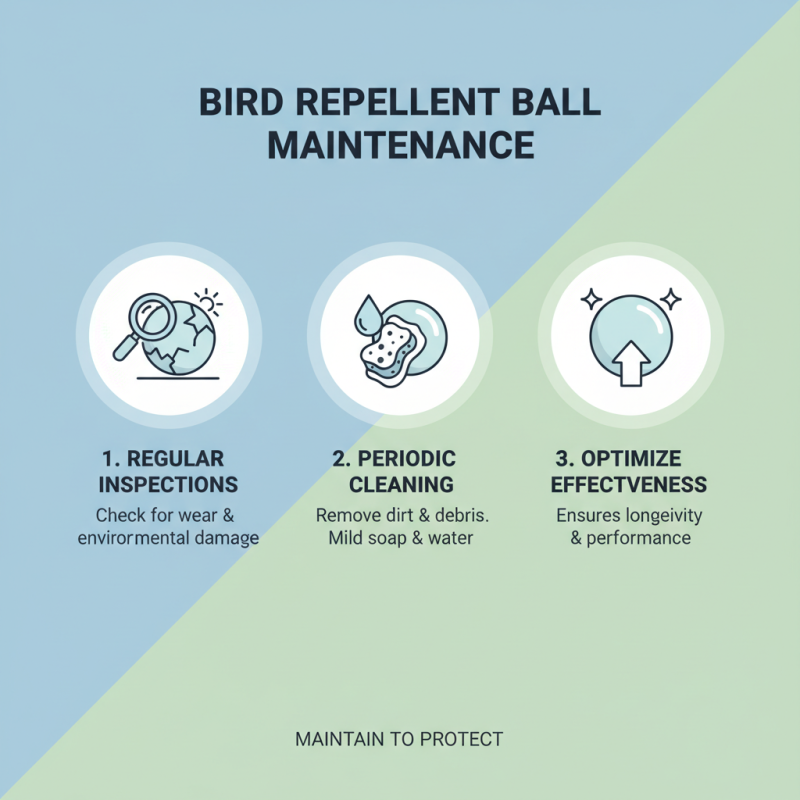
Maintaining bird repellent balls is essential for ensuring their longevity and effectiveness. Regular inspections should be conducted to check for wear and tear, as environmental factors can diminish their repelling capabilities. It's crucial to clean the repellent balls periodically, as debris and dirt can accumulate, hindering their performance. A simple rinse with mild soap and water can help restore their functionality.
Tips: Always store your bird repellent balls in a dry, shaded area when not in use. This prevents damage from UV exposure and moisture, ensuring they remain effective for longer periods. Additionally, consider rotating placement sites to avoid birds becoming accustomed to their presence.
Another key aspect of maintenance is monitoring the effectiveness of the repellent balls. If you notice an increase in bird activity around your space, it may be time to refresh or replace them. Using a combination of repellent strategies, such as decoys or noise deterrents, can enhance the overall effectiveness of your bird control efforts. Regularly reassessing your approach will help keep your space bird-free for an extended period.



 Bird & Pigeon Pest Control
  Mice & Rat Pest Control
  Mole & Vole & Gopher Pest Control
  Fly Insect Pest Control
  Wasp & Bee Pest Control
  Moth Pest Control
  Mosquito Pest Control
  Cockroach Pest Control
  Wildlife Pest Control
  Snake Pest Control
  Bed Bug & Flea Pest Control
  Snail & Slug Pest Control
  Ant & Termites Pest Control
  Spider Pest Control
  Other Insect Pest Control
  Garden Products
  Blog
Blog  Dining Group
 Occasional Tables
 Barstool
 Company Profile
 Our Advantages
 Certification
 Factory VR
 Photos
 Videos
 Product News
 Industry News
 Media Live
 Our Services
 Distributor and Agent
 FAQs
FAQs