Why Choose Bird Repellers for Effective Pest Control?
Bird repellers have emerged as a critical tool in effective pest control strategies. Renowned expert Dr. Emily Hawthorne, a leading environmental scientist, emphasizes the importance of these devices. She stated, "Bird repellers not only protect crops but also support ecological balance."
Bird repellers utilize various techniques to deter birds from invading spaces. These devices are designed to mimic predator calls or utilize reflective surfaces to scare birds away. Such technology has proven essential for farmers and property owners. The right bird repeller can save significant crops during critical growing seasons.
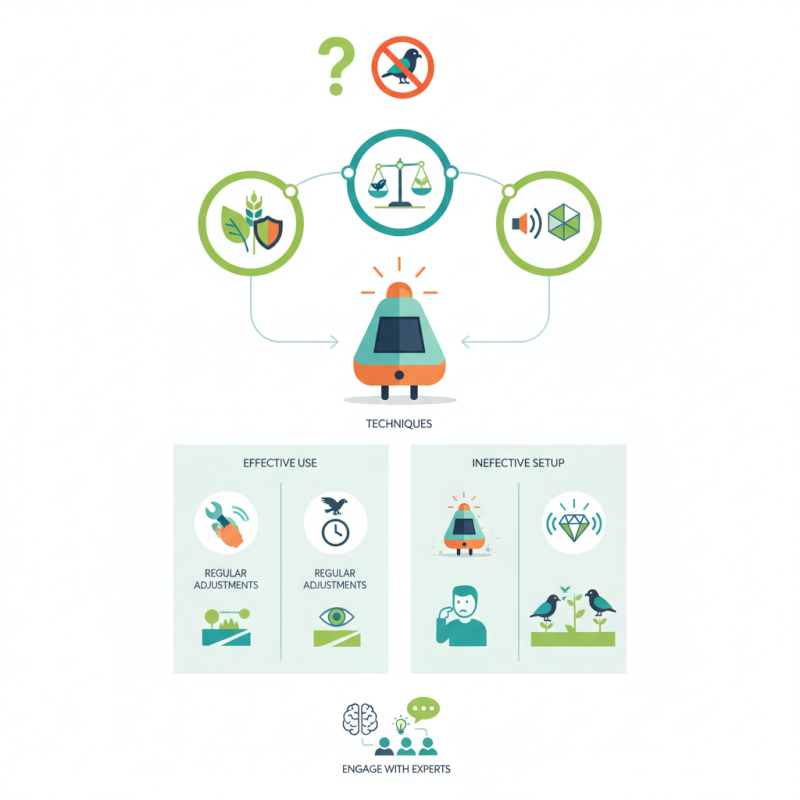
However, the effectiveness of bird repellers often depends on their proper use and placement. Some users might underestimate the need for regular adjustments. It's crucial to monitor surroundings frequently. An ineffective setup can result from negligence or improper positioning. Engaging with experts can provide valuable insights into maximizing effectiveness. Bird repellers are not a one-size-fits-all solution but require thoughtful implementation.
Understanding the Impact of Birds as Pests in Various Environments
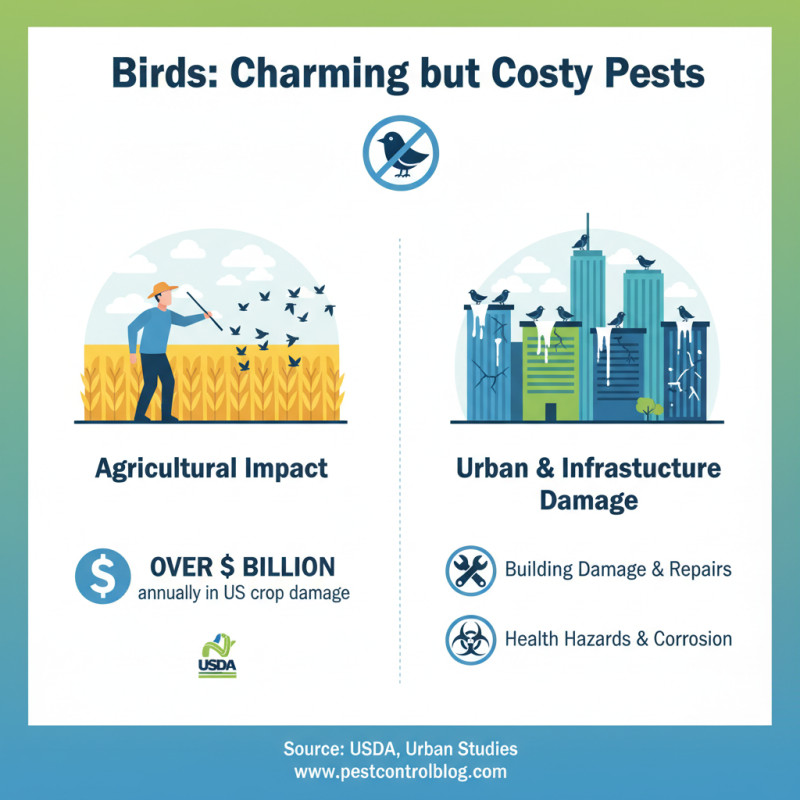
Birds can be charming, but they also pose significant challenges as pests in various environments. Agricultural areas often report losses due to birds feeding on crops. The United States Department of Agriculture (USDA) estimates an annual loss exceeding $1 billion from bird-related damages in agriculture alone. In urban settings, birds can damage buildings and infrastructure, leading to costly repairs. Their droppings can corrode surfaces and create health hazards.
For instance, studies reveal that pigeons and starlings are among the most problematic species. They not only feed on food intended for livestock but also spread diseases. The Centers for Disease Control and Prevention (CDC) notes that bird droppings can harbor pathogens harmful to humans. Public spaces, including parks and hospital rooftops, frequently contend with pest birds. Their presence can deter visitors and affect local businesses.
The impact of birds extends beyond direct damage. They can alter ecosystems by competing with native species for food and nesting sites. In many coastal areas, invasive bird populations threaten the survival of native shorebirds. Effective pest control, including the use of bird repellers, becomes essential in managing these issues. Solutions must balance effectiveness with ethical considerations, ensuring humane treatment of all species involved. Addressing these challenges requires ongoing education and innovation in pest management.
Types of Bird Repellers: Which Option is Right for Your Needs?
Choosing the right bird repeller can make a significant difference in pest control. Several options are available, each catering to specific needs. Visual repellents, like reflective surfaces or decoys, confuse birds and deter them effectively. These methods are often simple to deploy and can blend seamlessly into the surroundings.
Auditory repellents, such as distress calls or predator sounds, also serve as a strong deterrent. Birds tend to flee from areas where they perceive danger. However, this method may require regular updates to keep the sounds fresh and effective. You might find these sounds annoying, and neighbors may complain.
Chemical treatments, while effective, must be used cautiously. They can have unintended consequences on the ecosystem. Always consider the local wildlife and plants before application. Using instinct and understanding your environment can help in choosing suitable bird repellers. Relying solely on one method might lead to disappointment. Exploring multiple strategies can result in better outcomes. Experimentation is key to finding the right balance for your specific situation.
Comparison of Bird Repeller Effectiveness
How Bird Repellers Work: Mechanisms of Deterrence Explained
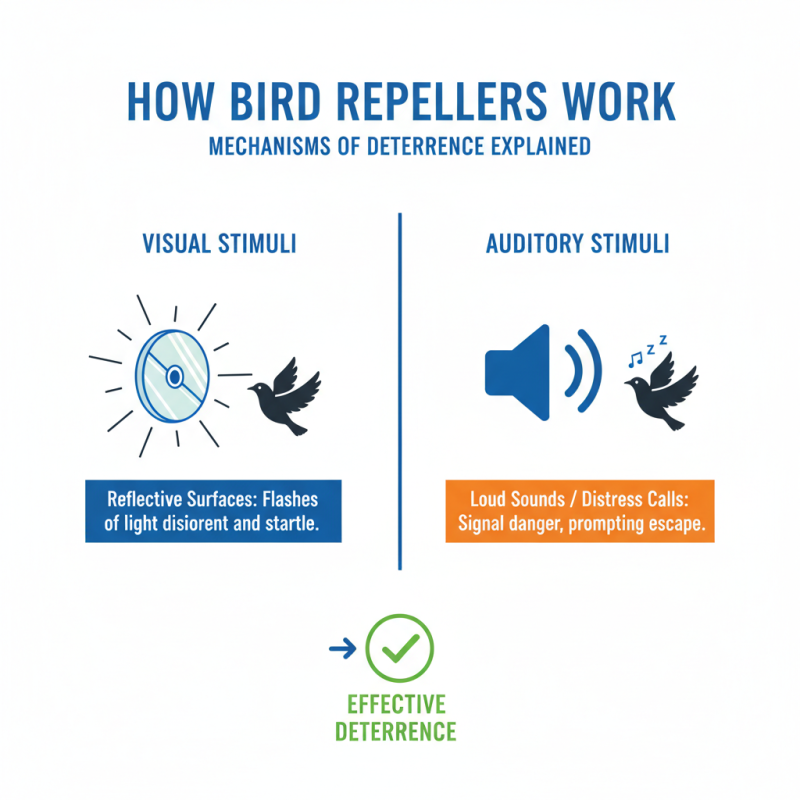
Bird repellers utilize various mechanisms to deter unwanted feathered guests effectively. These devices often rely on visual and auditory stimuli to confuse and scare away birds. For example, reflective surfaces can create flashes of light that startle birds, making them feel uneasy in the area. Similarly, loud sounds or distress calls can signal danger, prompting birds to flee.
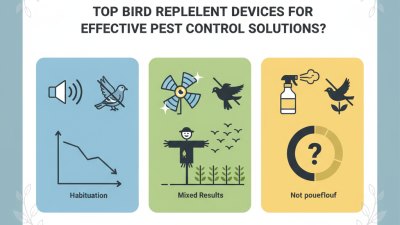
The effectiveness of these methods varies, and not all birds respond the same way. Some species may become accustomed to certain stimuli over time. This adaptation can lead to diminishing returns, requiring a rotation of techniques for sustained pest control. Observing bird behavior is crucial. Noticing which methods work best can guide future strategies.
Bird repellers must also consider environmental factors. Placement and time of day can influence effectiveness. For instance, reflective devices may work well in sunny conditions, while sounds can travel differently in open areas. Utilizing a combination of techniques often yields better results. Finding the right balance between repelling birds and maintaining a peaceful environment can be challenging. Regular adjustments and monitoring are essential for optimal outcomes.
The Benefits of Using Bird Repellers Over Traditional Pest Control Methods
Bird repellers offer a unique and effective alternative to traditional pest control methods. Unlike chemical sprays or traps, bird repellers are designed to deter birds without harming them. This approach is not only humane but also environmentally friendly. Many methods incorporate visual or auditory deterrents, such as reflective surfaces or distress calls, which can disrupt birds’ natural behaviors and encourage them to relocate.
Utilizing bird repellers can lead to safer and cleaner environments. Chemical methods often leave residues that can affect plants and animals. Bird repellers, on the other hand, promote a natural balance. Their effectiveness varies depending on the setting, and finding the right combination may require some trial and error. Observing bird behavior can guide adjustments to the repelling strategy.
Furthermore, investing in bird repellers may save costs over time. Traditional pest control often necessitates repeated applications of chemicals, which can add up. Bird repellers, once properly installed, may need minimal maintenance. The initial effort to find the right repelling method can be daunting, but the potential long-term benefits for gardens or crops are significant. Some users may find that results take time, prompting a need for patience and adaptiveness.
Why Choose Bird Repellers for Effective Pest Control? - The Benefits of Using Bird Repellers Over Traditional Pest Control Methods
| Criteria |
Bird Repellers |
Traditional Methods |
| Effectiveness |
High in reducing bird-related damages |
Variable, often requires repeated application |
| Environmental Impact |
Low, generally humane and eco-friendly |
Can involve harmful chemicals |
| Maintenance |
Minimal, low upkeep required |
Higher maintenance and frequent reapplication needed |
| Cost Efficiency |
Cost-effective in the long run |
Can become expensive over time due to repeated purchases |
| User Safety |
Safe for humans and pets |
Potentially harmful to people and pets |
Best Practices for Implementing Bird Repellers Effectively
Bird repellers are an effective solution for managing pest issues. However, their success relies heavily on proper implementation. One of the best practices involves assessing the area where birds commonly gather.
Understanding their behavior allows for tailored placement of repellers. For example, placing them near food sources or nesting sites can enhance effectiveness.
Quality matters when selecting repellers. While many options exist, effectiveness can vary significantly.
Some repellers may not work as intended, leading to frustration. Experimenting with different styles, such as visual deterrents or sound emitters, can yield better results.
It’s important to document what works and what doesn’t over time.
Regular maintenance of your repelling devices is crucial. Ensure they remain in good condition, as wear and tear can diminish their effectiveness.
Set reminders to check for any damages or malfunctions. Monitoring the bird activity can also provide insights into how well the repellers are performing.
Adjustments may be necessary as bird behavior can change with the seasons. Be prepared to adapt your strategy for ongoing success.



 Bird & Pigeon Pest Control
  Mice & Rat Pest Control
  Mole & Vole & Gopher Pest Control
  Fly Insect Pest Control
  Wasp & Bee Pest Control
  Moth Pest Control
  Mosquito Pest Control
  Cockroach Pest Control
  Wildlife Pest Control
  Snake Pest Control
  Bed Bug & Flea Pest Control
  Snail & Slug Pest Control
  Ant & Termites Pest Control
  Spider Pest Control
  Other Insect Pest Control
  Garden Products
  Blog
Blog  Dining Group
 Occasional Tables
 Barstool
 Company Profile
 Our Advantages
 Certification
 Factory VR
 Photos
 Videos
 Product News
 Industry News
 Media Live
 Our Services
 Distributor and Agent
 FAQs
FAQs