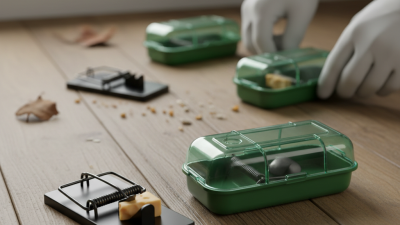
How to Choose the Best Reusable Mouse Traps for Your Home?
Choosing the right reusable mouse traps for your home can be a challenging task. It requires careful consideration of various factors. The market offers numerous options, each with its own features and benefits. It's crucial to rely on informed choices rather than quick decisions.
Reusable mouse traps can effectively manage pest problems without causing harm to the environment. These traps allow for humane capture and release, preventing unnecessary suffering. Understanding how each trap operates is essential. This knowledge leads to better selection and placement, ensuring maximum effectiveness.
Reflecting on personal experiences can also guide your choice. Have you found particular traps more efficient? Striking the right balance between effectiveness and user-friendliness is vital. Research and reviews play important roles here. Selecting high-quality, reliable reusable mouse traps not only resolves pest issues but also enhances home comfort.

Understanding the Different Types of Reusable Mouse Traps Available
When choosing reusable mouse traps, it’s essential to understand the various types available. There are several designs, each with unique features. For instance, snap traps are effective and quick. They’re designed to deliver a swift kill, which can be considered a humane option when used correctly. According to pest control studies, these traps have a success rate of around 90% when set properly in areas of high mouse activity.
Another category includes live-capture traps. These traps are designed to catch mice without harming them. This approach aligns with the growing trend toward humane pest control methods. A study by the National Pest Management Association suggests that nearly 60% of consumers prefer methods that do not involve killing animals. However, it’s important to consider the implications of releasing caught mice. They can return to the same location, creating a cycle that requires ongoing management.
Electric traps have gained popularity as another reusable option. They use a high-voltage shock to kill mice quickly. Reports indicate that these traps have a quick kill rate of about 100%. However, one must regularly check these devices to avoid leaving a trapped animal for an extended period. Understanding these choices is vital for making an informed decision tailored to your home’s needs.
Comparison of Different Types of Reusable Mouse Traps
Key Features to Consider When Selecting a Reusable Mouse Trap
When selecting a reusable mouse trap, several key features demand attention. A prominent factor is the trap's effectiveness. According to a study by the National Pest Management Association, up to 20% of households in the U.S. deal with rodent issues annually. Therefore, efficiency in capturing mice is crucial. Choose traps designed with robust mechanisms. This often ensures a reliable catch rate.
Another important consideration is safety. Some traps are designed to minimize the risk of injury to pets and children. Look for products with enclosed mechanisms. This can limit access and potential accidents. Research indicates that around 40% of households express concern about using traditional traps. Thus, safety features should be prioritized alongside functionality.
Ease of cleaning is also vital. A trap that is difficult to clean can lead to hygiene problems. Frequent cleaning can discourage future infestations. Opt for traps that can be easily disassembled. This allows for regular maintenance and reduces unpleasant odors. Balancing effectiveness, safety, and ease of use can lead to a more satisfactory trapping experience. However, always reflect on personal needs before choosing a solution.
How to Choose the Best Reusable Mouse Traps for Your Home?
| Feature |
Description |
Advantages |
Considerations |
| Material |
Plastic or metal construction for durability. |
Long-lasting and can be used multiple times. |
Ensure it's weather-resistant if used outdoors. |
| Ease of Use |
Simple setup and baiting process. |
User-friendly for quick deployment. |
Check for any difficult mechanisms. |
| Effectiveness |
Traps that capture mice efficiently. |
High success rate helps control infestations. |
Research customer reviews for performance. |
| Cleaning |
Easy to clean and sanitize after use. |
Maintains hygiene and extends the trap's life. |
Check for removable parts for thorough cleaning. |
| Reusability |
Traps designed to be reused over multiple infestations. |
Cost-effective in the long run. |
Ensure structural integrity after several uses. |
| Safety |
Features that prevent unintended captures (e.g., pets). |
Safer for households with children or pets. |
Check the design for potential hazards. |
| Price |
Cost of the trap relative to its features. |
Balance between cost and effectiveness. |
Compare prices across different stores. |
Safety and Environmental Impact of Reusable Mouse Traps
When selecting reusable mouse traps, considering their safety and environmental impact is crucial. Many traps are designed with non-toxic materials, ensuring that they pose little risk to pets and humans. It's important to verify that the trap does not use harmful substances. A safer alternative often means a more humane approach to pest control.
Moreover, reusable mouse traps significantly reduce waste. Unlike single-use traps, they can be cleaned and reused multiple times. This not only conserves resources but also minimizes the accumulation of plastic waste. While many users still gravitate toward disposable options, reflecting on the long-term implications of such choices is vital. Choosing reusable can foster a more sustainable living environment.
Additionally, the lifespan of reusable traps is typically longer than their disposable counterparts. This longevity can be beneficial in the long run. However, not all reusable traps are created equal. Some may wear down or lose effectiveness over time. Researching and selecting a quality trap should be a priority. Understanding the materials and design can lead to better choices that align with personal values on safety and sustainability.
Maintenance Tips for Prolonging the Life of Your Mouse Traps
When it comes to mouse traps, maintenance is key to ensuring effectiveness. According to industry reports, proper care can extend the life of reusable traps by up to 50%. Regular inspection is crucial. Check for wear and tear, especially in the mechanisms that trigger the trap. If parts appear damaged or corroded, consider replacing them. This simple step can prevent unnecessary malfunction during critical moments.
Cleaning your traps is essential too. Wash them with warm, soapy water after each use. This removes residues that could deter mice from approaching the trap. Some studies suggest that a clean trap increases catch rates by 20%. It’s also wise to store traps in a dry location. Moist environments can lead to rust and degradation. If you notice signs of rust, treat the trap immediately or think about replacing it.
Additionally, rotate your traps if you have multiple units. This prevents mice from becoming trap-shy, as they learn to avoid certain types. The Journal of Pest Control highlights that alternating trap types can improve overall effectiveness by 30%. Taking these maintenance tips seriously can lead to a more reliable rodent control strategy for your home.



 Bird & Pigeon Pest Control
  Mice & Rat Pest Control
  Mole & Vole & Gopher Pest Control
  Fly Insect Pest Control
  Wasp & Bee Pest Control
  Moth Pest Control
  Mosquito Pest Control
  Cockroach Pest Control
  Wildlife Pest Control
  Snake Pest Control
  Bed Bug & Flea Pest Control
  Snail & Slug Pest Control
  Ant & Termites Pest Control
  Spider Pest Control
  Other Insect Pest Control
  Garden Products
  Blog
Blog  Dining Group
 Occasional Tables
 Barstool
 Company Profile
 Our Advantages
 Certification
 Factory VR
 Photos
 Videos
 Product News
 Industry News
 Media Live
 Our Services
 Distributor and Agent
 FAQs
FAQs