Top 10 Effective Fruit Fly Traps You Need to Know About
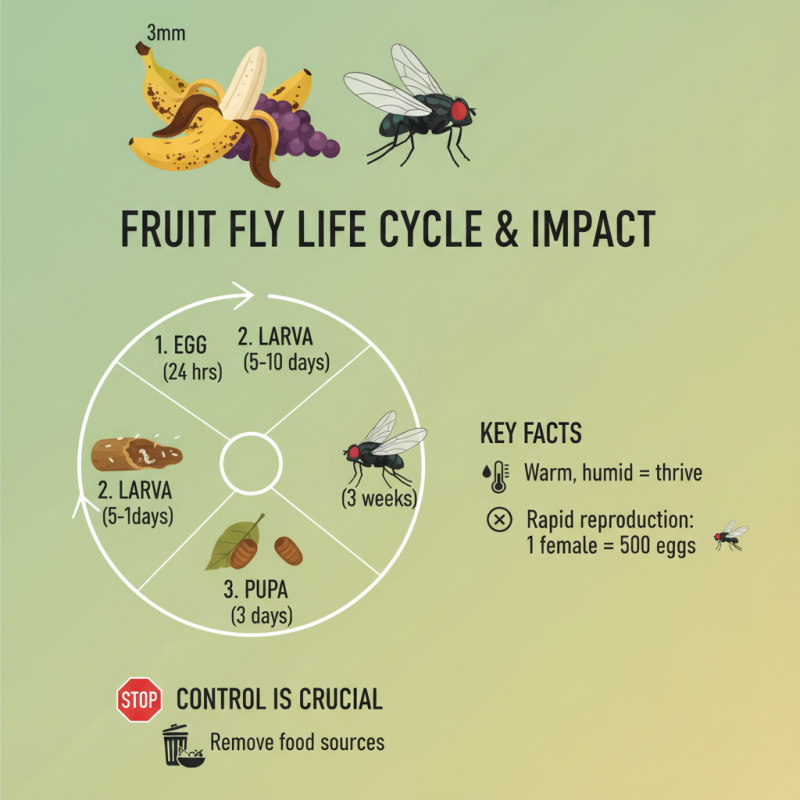
Fruit flies are more than a nuisance; they can disrupt kitchens and enter food supplies. According to industry reports, fruit flies can multiply rapidly, with a female laying up to 500 eggs. This makes effective measures crucial for maintaining hygiene. A reliable Fruit Fly Trap is essential for homes, restaurants, and food markets.
Many traps use natural attractants, making them safe for environments with children and pets. Recent studies show that traps with apple cider vinegar are particularly effective. Research indicates a well-placed trap can reduce fly populations significantly. However, not all traps are equal; some may fail to attract or capture effectively.
Choosing the right Fruit Fly Trap involves understanding your specific needs. Consider factors like location and type of attractant. While some traps work well, others may disappoint. Users must reflect on their experience and adapt. Ultimately, an effective trap contributes to a cleaner, healthier space.
Understanding Fruit Flies: An Overview of Their Behavior and Habits
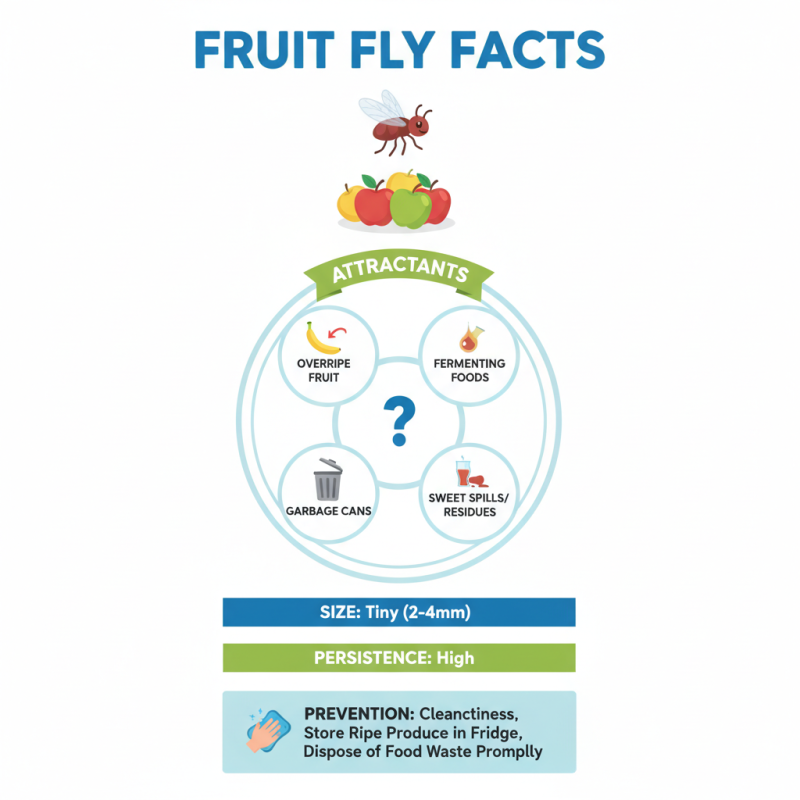
Fruit flies are tiny, yet their impact can be significant. They thrive in warm, humid environments and are commonly found around overripe fruits and vegetables. These pests reproduce quickly, laying hundreds of eggs on surfaces where fermenting food is present. A single female can produce up to 500 eggs, and they hatch in as little as 24 hours. Understanding their life cycle is crucial for effective control.
Behaviorally, fruit flies are drawn to sweet smells. They often appear when fruits are left on countertops or in open containers. Even a small leftover piece of fruit can attract them. Their rapid reproduction means that if you spot one, more are likely near. Regular cleaning is essential. Compost bins or garbage cans can also become breeding grounds if not managed properly. Even a small, unnoticed spill can be problematic. It’s easy to overlook clean-up tasks, leading to an increase in infestations.
To truly combat fruit flies, one must stay vigilant. Regularly inspect your kitchen and take action immediately when you notice these pests. Effective traps are useful, but understanding their habits is the first step. Each trapped fly represents untold numbers that might invade your space. Being proactive is always better than a reactive approach.
Types of Fruit Fly Traps: A Breakdown of Available Options
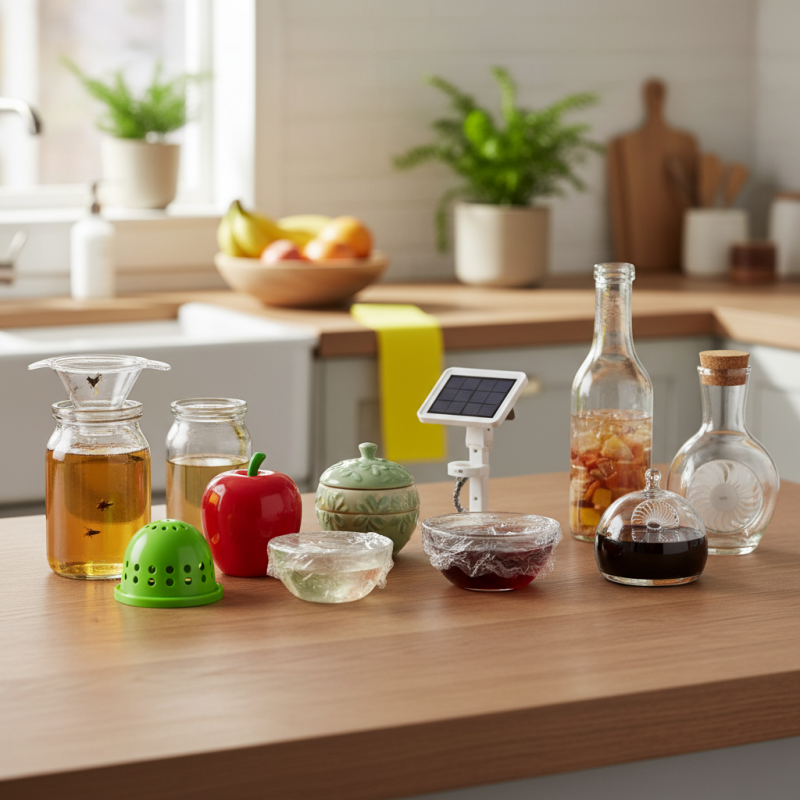
Fruit fly traps come in various types, each designed to tackle the pesky insects differently. One popular method is the baited trap, which lures fruit flies using organic substances. A recent report states that traps utilizing ripe fruit can attract up to 85% of fruit flies effectively. This highlights the importance of using fresh bait to maximize the trap's efficiency.
Another common type is the sticky trap. These traps use adhesive to capture fruit flies upon contact. Their simplicity makes them easy to use. Research indicates that sticky traps can reduce fruit fly populations by nearly 70% within a week, offering quick relief in infested areas. However, placement is crucial; traps should be located near breeding sites to be most effective.
Additionally, liquid traps thrive on fermentation. These traps use sugary liquids that ferment, producing a scent fruit flies can't resist. Data shows that these traps can catch a significant number of flies within just a few days. Yet, many people overlook regular maintenance and replacements, which can reduce trap effectiveness over time. It's crucial to be mindful of this aspect to ensure ongoing capture rates.
DIY Fruit Fly Traps: Simple Solutions You Can Make at Home
Fruit flies can be a significant nuisance in any home.
Fortunately, making your own traps can be easy and effective. A simple DIY trap uses just a few common household items.
For example, you can use apple cider vinegar in a bowl. Cover it with plastic wrap and poke small holes in the top.
Fruit flies are drawn to the vinegar but can’t escape.
Another engaging option includes a funnel and a jar. Place a piece of overripe fruit in the jar.
Use the funnel to allow the flies to enter while keeping them trapped inside. This method is straightforward but can sometimes take longer than expected.
Stay patient.
Tips:
Use ripe fruit for better results. Ensure the trap is placed in a fruit-fly hotspot.
You may need to make a few traps around your house. It's okay if your first few attempts don’t catch many flies.
Experiment with different types of bait, like banana peels.
Remember, cleanliness plays a vital role. Regularly clean your kitchen and dispose of any spoiled produce.
Flies thrive on decay. Addressing the source can amplify your trap's effectiveness.
Keep trying different methods until you find what works best in your space.
Commercial Fruit Fly Traps: Top Brands and Effectiveness Reviewed
When dealing with fruit flies, effective traps are essential. Many brands on the market promise results, but effectiveness varies. Some traps use pheromones to attract flies, while others rely on bait. The choice of bait can influence how well the trap works. Sweet scents often lure flies, but not all are equally appealing. Consider using different bait options to see what works best for your situation.
A common issue is the placement of traps. Many people overlook this detail, which can impact results. Traps should be placed where flies are most active. Check around fruit bowls, trash cans, or compost bins. Poor placement leads to frustration. Some traps don’t perform well indoors due to ventilation issues. Outdoor traps can attract flies from greater distances. Proper ventilation matters; it can affect trap attraction and catch rates.
It's crucial to monitor traps regularly, as flies can multiply quickly. Some traps may fill up faster than others. Cleaning and changing the bait can further enhance effectiveness. However, not all traps are easy to clean. Some designs make maintenance tedious, leading to user disappointment. Experimenting with different traps and approaches often reveals what suits your space best.



 Bird & Pigeon Pest Control
  Mice & Rat Pest Control
  Mole & Vole & Gopher Pest Control
  Fly Insect Pest Control
  Wasp & Bee Pest Control
  Moth Pest Control
  Mosquito Pest Control
  Cockroach Pest Control
  Wildlife Pest Control
  Snake Pest Control
  Bed Bug & Flea Pest Control
  Snail & Slug Pest Control
  Ant & Termites Pest Control
  Spider Pest Control
  Other Insect Pest Control
  Garden Products
  Blog
Blog  Dining Group
 Occasional Tables
 Barstool
 Company Profile
 Our Advantages
 Certification
 Factory VR
 Photos
 Videos
 Product News
 Industry News
 Media Live
 Our Services
 Distributor and Agent
 FAQs
FAQs