Effective Tips for Using Plastic Bird Spikes?
In urban settings, birds can cause significant issues. Plastic Bird Spikes offer a solution for homeowners and businesses. These spikes deter birds from landing in unwanted areas. They're easy to install and effective in preventing nesting.
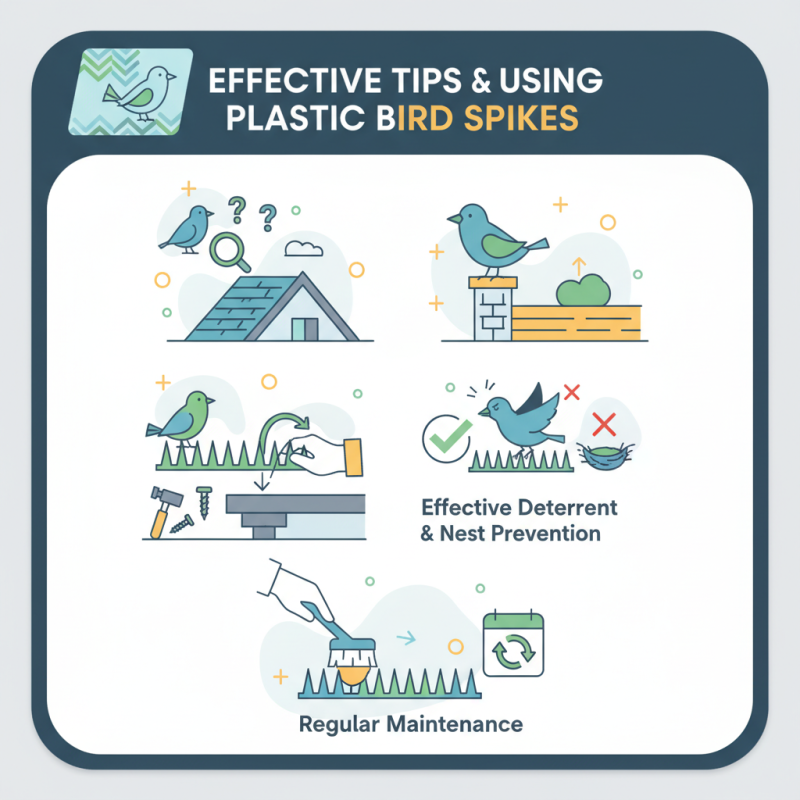
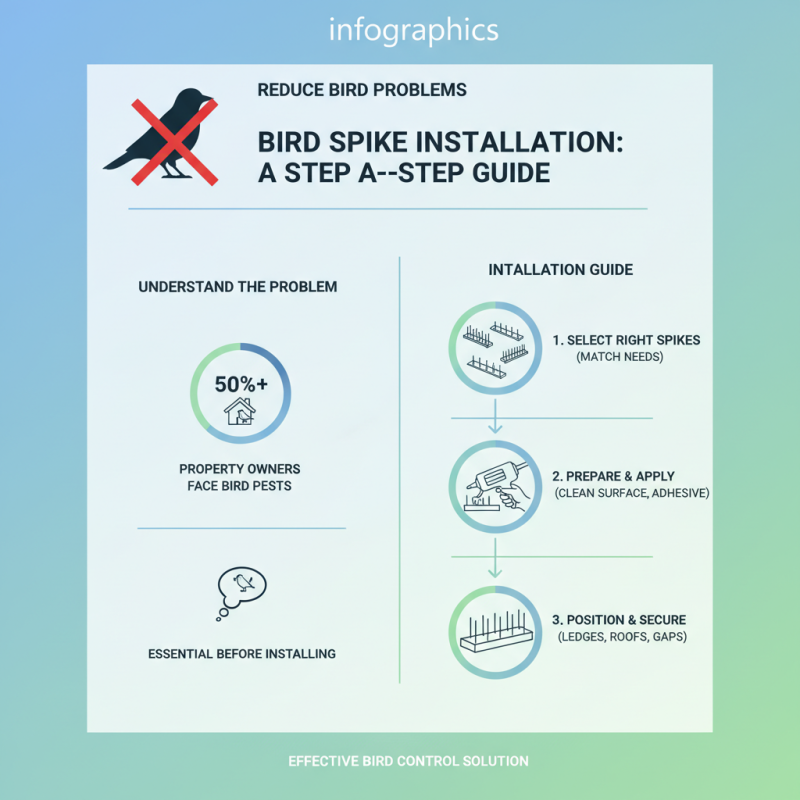
Using Plastic Bird Spikes requires careful planning. First, select the right type for your needs. Consider factors like bird species and location. Not all spikes work for every situation. You might need to test different types. Sometimes, they may not work as expected, requiring adjustments.
Keep in mind that proper installation is crucial. Ensure spikes are secure and positioned well. A mistake here can lead to ongoing bird problems. Lastly, regular maintenance is essential. Clean spikes periodically to maintain their effectiveness. This attention to detail will yield better results.
Understanding Plastic Bird Spikes: What They Are and How They Work
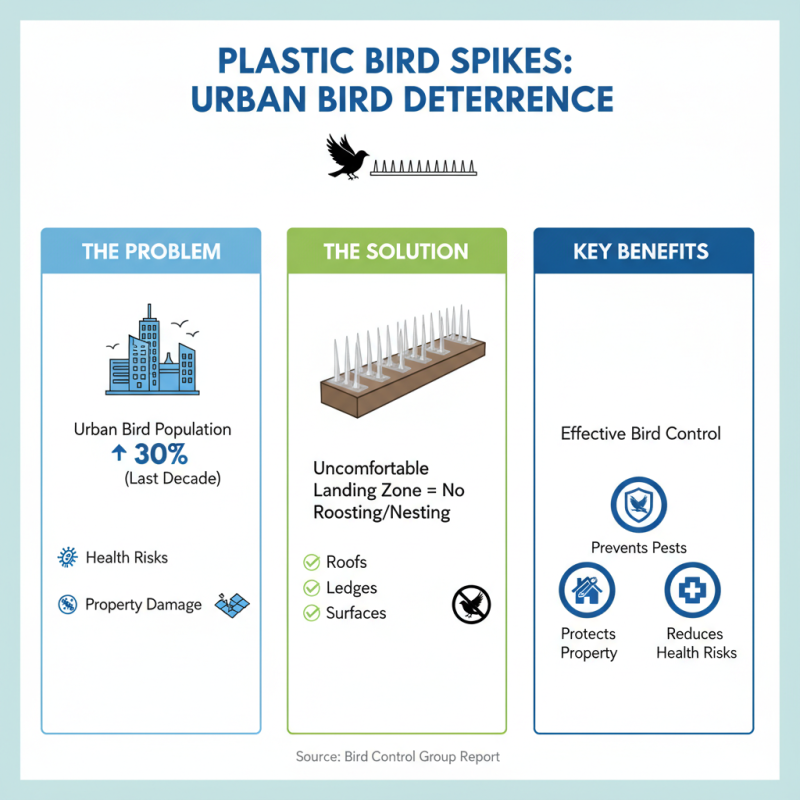
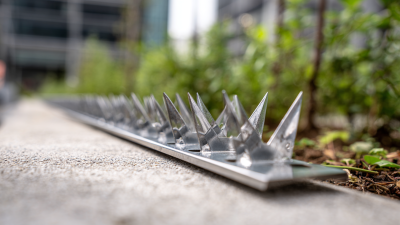
Plastic bird spikes are an effective solution for deterring birds from roofs, ledges, and other surfaces. These spikes are designed to create an uncomfortable landing zone for birds, thus preventing them from nesting or roosting. According to a report by the Bird Control Group, urban areas experience a 30% increase in pest bird populations over the last decade. This rise can lead to health risks and property damage.
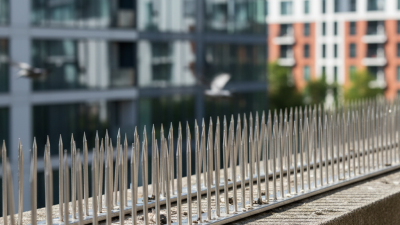
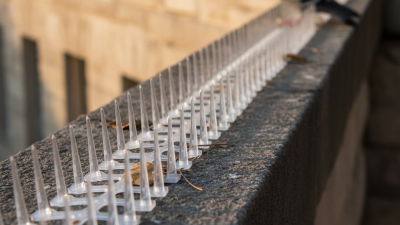
The spikes are typically made of durable plastic, which withstands weather conditions well. They come in various lengths and shapes to suit different applications. Data indicates that plastic spikes have a 90% effectiveness rate in repelling birds when installed properly. The spikes must be carefully placed to ensure maximum deterrent effect. However, some users might not realize that spacing can affect efficiency, leaving gaps for birds to perch.
While plastic bird spikes offer a humane approach to bird control, there are complexities to consider. Improper installation can reduce their effectiveness. Maintenance is key; debris can accumulate around spikes, making them less effective. Regular checks are essential. Not everyone considers their aesthetics, as the spikes can be visually unappealing on some buildings. Ultimately, understanding their usage and maintenance are crucial for long-term success.
Choosing the Right Type of Plastic Bird Spikes for Your Needs
When selecting plastic bird spikes, consider your specific needs. Different environments require different types. For instance, if you live in a rainy area, look for spikes that resist corrosion. If you have larger birds, choose taller spikes for better deterrence. This ensures they won’t easily bypass your defenses.
Here are some tips to keep in mind. Measure the area where you plan to install the spikes. This ensures you purchase the right amount. Think about installation. Some spikes can be affixed with adhesive, while others may need screws. Choose what works best for your skills.
Also, consider aesthetics. Some spikes are less noticeable than others. If visual appeal matters, select a color that blends with your property. Remember, imperfect installation can happen. Regular checks are necessary to ensure effectiveness. Adjust or replace any damaged sections promptly.
Best Practices for Maintaining and Cleaning Bird Spikes
When it comes to maintaining and cleaning bird spikes, attention to detail is vital. Regular maintenance ensures their effectiveness. Check for any loose spikes or debris, as these can hinder performance. Cleaning the spikes is crucial to prevent birds from nesting nearby. Use a soft brush or cloth, and avoid harsh chemicals that could damage the plastic.
To clean the spikes effectively, start by removing dust and grime. A gentle spray of water can help dislodge stubborn dirt. Be careful not to use excessive force. Observing the edges for small growths is important too. Weeds or moss can accumulate in some areas, which should be removed gently.
Remember, keeping the area clean is as important as cleaning the spikes themselves. Bird droppings can make a mess and attract more birds. Regularly sweep or wash the surfaces around the spikes. This approach discourages birds from returning. Always be ready to adjust your cleaning routine based on your observation.
Common Mistakes to Avoid When Using Plastic Bird Spikes
Using plastic bird spikes can be an effective way to deter unwanted birds. However, there are common mistakes that can undermine their effectiveness. One common error is improper placement. Many people attach spikes too far apart. This allows birds to find resting spots in between. Ensuring spikes are closely spaced can create an impenetrable barrier.
Another mistake is neglecting regular maintenance. Over time, dirt and debris can accumulate on the spikes. This buildup can reduce their effectiveness. It’s important to check the spikes periodically and clean them. Additionally, using spikes on uneven surfaces can lead to ineffective placement. Ensure that the surface is smooth and suitable for a proper fit.
Many overlook the importance of visual appeal. Plastic spikes can seem unsightly in some environments. Some may try to camouflage them, which often backfires. If they blend in too well, birds might not perceive them as a deterrent. Proper installation and regular checks can minimize these issues and ensure that your bird spikes work effectively.
Effectiveness of Plastic Bird Spikes - Common Mistakes to Avoid



 Bird & Pigeon Pest Control
  Mice & Rat Pest Control
  Mole & Vole & Gopher Pest Control
  Fly Insect Pest Control
  Wasp & Bee Pest Control
  Moth Pest Control
  Mosquito Pest Control
  Cockroach Pest Control
  Wildlife Pest Control
  Snake Pest Control
  Bed Bug & Flea Pest Control
  Snail & Slug Pest Control
  Ant & Termites Pest Control
  Spider Pest Control
  Other Insect Pest Control
  Garden Products
  Blog
Blog  Dining Group
 Occasional Tables
 Barstool
 Company Profile
 Our Advantages
 Certification
 Factory VR
 Photos
 Videos
 Product News
 Industry News
 Media Live
 Our Services
 Distributor and Agent
 FAQs
FAQs