• Haierc-To Be the Best Supplier of Pest Control Items
  • Leave Your Message

    How to Use Electronic Mouse Trap Effectively for Pest Control?

    An electronic mouse trap can be a game-changer in pest control. These devices offer a humane, efficient way to deal with rodent issues. Unlike traditional traps, an electronic mouse trap delivers a quick, lethal shock to mice. This method reduces suffering and is often favored by pet owners.

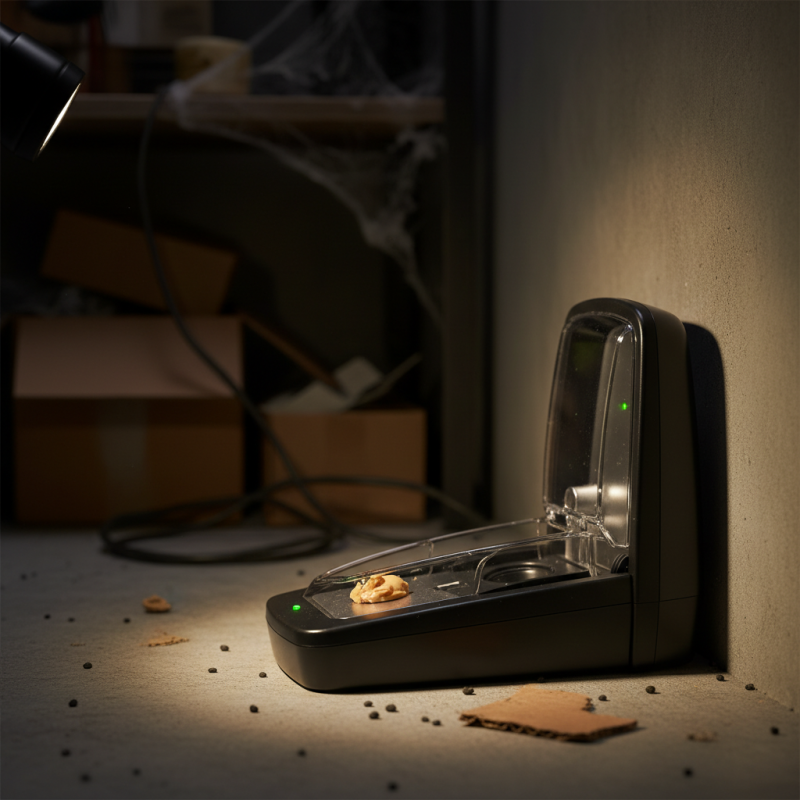
    Using an electronic mouse trap effectively requires some attention to detail. Place the trap in areas where mice are active. Look for signs like droppings or gnawed items. Ensure the trap is clean and baited properly. Peanut butter or chocolate works well.

    However, people often make mistakes when using these traps. Some fail to check the trap regularly. This can lead to bad odors and unwanted pests. Not everyone understands the placement techniques needed for success. It’s essential to reflect on past experiences and adjust your approach. Using an electronic mouse trap can be effective, but it’s not foolproof. A thoughtful strategy is key.

    How to Use Electronic Mouse Trap Effectively for Pest Control?

    Understanding the Basics of Electronic Mouse Traps for Pest Control

    How to Use Electronic Mouse Trap Effectively for Pest Control?

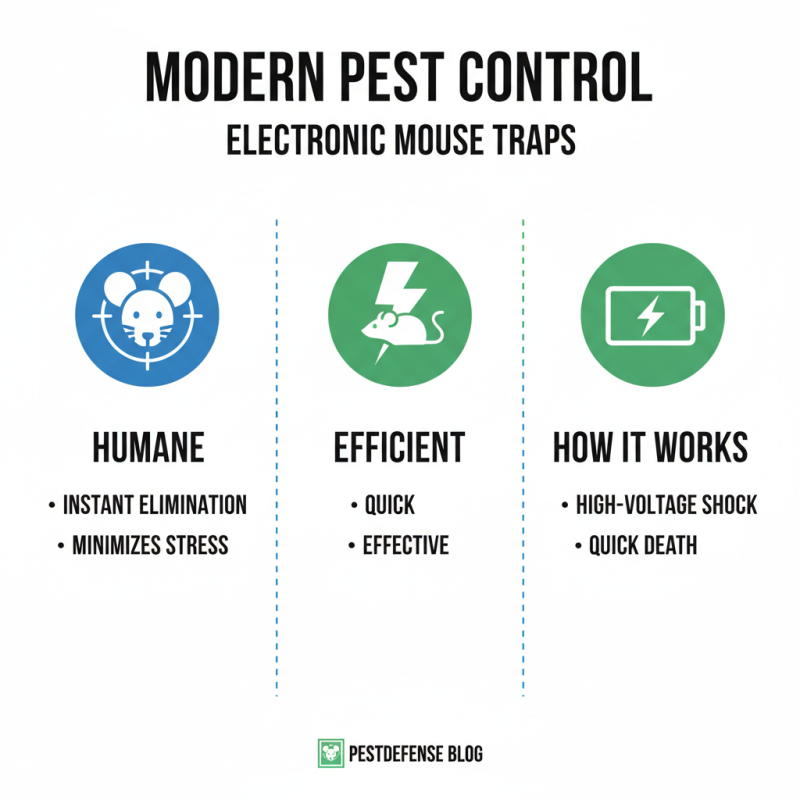
    Electronic mouse traps are becoming more popular for pest control. They offer a humane and efficient way to catch rodents. Understanding how these devices work is essential for effective usage. Typically, they use a high-voltage shock to eliminate mice instantly. This method minimizes stress for the captured rodent compared to traditional traps.

    Setting up the trap requires some attention. Place it in areas where you have noticed rodent activity. Look for droppings or gnaw marks. It's crucial to keep the trap clean. Ensure that bait is fresh and appealing to attract mice. However, remember that too much bait can deter them. This can lead to disappointment after a long wait.

    Regularly check the traps to avoid unpleasant odors. Leaving a dead mouse in a trap for too long can be a mistake. It’s also important to understand that no trap is foolproof. Mice are resourceful creatures. Sometimes, they can avoid traps completely. Reflecting on your approach and adjusting locations or bait types may produce better results.

    Choosing the Right Location for Your Electronic Mouse Trap

    How to Use Electronic Mouse Trap Effectively for Pest Control?

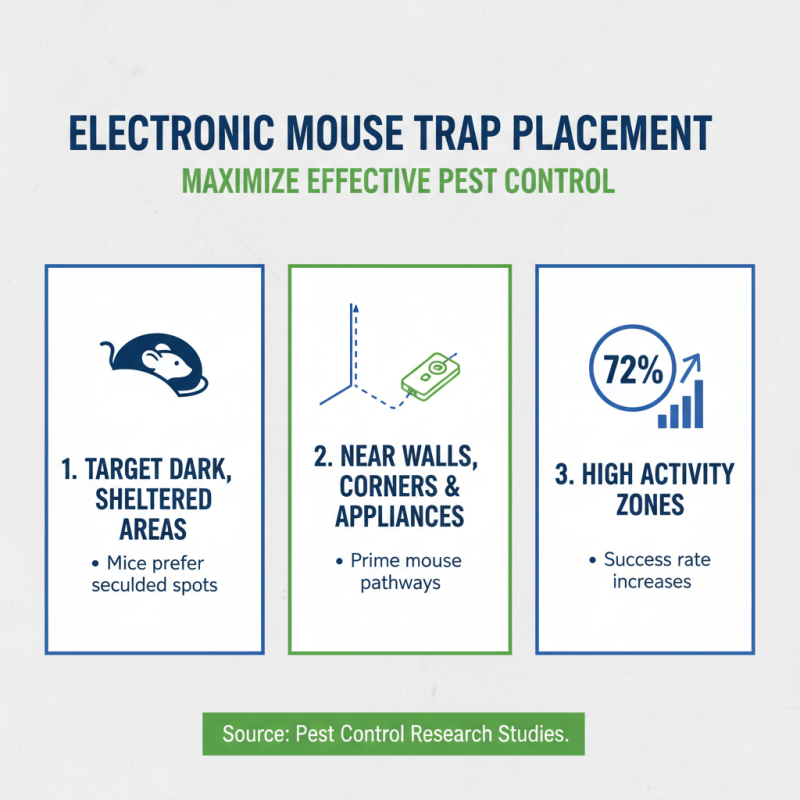
    Choosing the Right Location for Your Electronic Mouse Trap is crucial for effective pest control. Studies show that mice prefer dark, sheltered areas close to food sources. Thus, placing traps near walls, corners, or behind appliances enhances your success rate. Research indicates that over 72% of mouse activity occurs along these pathways.

    Consider high-traffic areas like kitchens and pantries when positioning your trap. Mice tend to travel a specific route to reach food. Data suggests that placing traps within 10 to 15 feet of these routes can significantly increase catch rates. However, be mindful of clutter. A well-organized space allows for easier access for mice, potentially leading to missed opportunities if traps are hidden away.

    Reflect on the environment as well. If you have pets or small children, ensure traps are safe. Sometimes, misplacement can lead to a failure in catching mice. The right location can make a difference. Pay attention to areas where droppings or gnaw marks are visible. These are indicators of mouse activity, and traps nearby can yield better results.

    Setting Up and Activating the Electronic Mouse Trap Correctly

    Setting up an electronic mouse trap correctly is essential for effective pest control. First, choose the right location. Place the trap near walls or areas where you’ve seen mouse activity. Mice tend to move along paths, so positioning is critical. A study found that 75% of mouse activity occurs within 10 feet of walls. Ensure the trap is away from pets and children to avoid accidental triggers.

    Activating the electronic mouse trap requires following the manufacturer's instructions closely. Most traps have a test button. Press this button to ensure the device is functioning before placing it. Once activated, insert the bait. Peanut butter is often recommended due to its strong scent. Reports indicate that traps with bait attract mice more effectively. After setting, check the trap regularly. Mice can die from stress if left too long in a trap.

    Understanding that not every trap will work can help manage expectations. Some users report that their traps caught various other pests too, not just mice. This indicates that adjustments might be needed. Keep track of where and when you catch mice to refine your strategy. This observation may lead to more consistent results in the future.

    How to Use Electronic Mouse Trap Effectively for Pest Control?

    Step Description Tips
    1 Choose a suitable location away from pets and children. Opt for an area with noticeable mouse activity.
    2 Open the electronic mouse trap and insert batteries as instructed. Ensure batteries are fresh for optimal performance.
    3 Set the bait in the designated area. Use peanut butter or seeds as bait to attract mice.
    4 Activate the trap as per the instructions provided. Ensure the trap is turned on before placement.
    5 Check the trap regularly for catches. Dispose of humanely as recommended by manufacturer guidelines.
    6 Clean the trap after use to maintain hygiene. Follow safety precautions while cleaning.

    Maintaining and Cleaning Your Electronic Mouse Trap for Optimal Use

    Maintaining and cleaning your electronic mouse trap is crucial for its effectiveness. Start by routinely checking the device for any signs of build-up. Dust, debris, and even remnants from previous catches can affect performance. A damp cloth can help remove dirt. Remember not to soak any electronic components; moisture can damage them.

    After clearing the trap, inspect the bait tray. It should be free of residue. Old bait can lose its effectiveness, so replace it regularly. A fresh bait increases the chances of attracting pests. Don't forget the battery – it needs to be charged or replaced often to ensure your trap is always ready.

    Occasionally, inspect the device for any signs of wear from use. Torn wires or loose connections could hinder its function. Consider this time a moment to reflect on your pest control strategy. Are you placing the trap in high-traffic areas? Noticing these details can enhance your overall approach.

    Disposing of Captured Mice and Ensuring Safety After Use

    Disposing of captured mice requires careful handling. After using an electronic mouse trap, wear gloves to avoid direct contact. This reduces the risk of disease transmission. Research suggests that mice can carry pathogens that affect humans. According to the Centers for Disease Control and Prevention, hantavirus and leptospirosis are significant concerns. Therefore, treating captured mice as biohazards is wise.

    Place the trapped mice in a sealed plastic bag. This method safely contains any potential health risks. Some may choose to bury the bag in their yard. Others might opt for disposal in their regular trash. Ensure that the bag is secure to prevent leaks. Certain areas have specific laws regarding mouse disposal, so be mindful.

    Cleaning the trap is equally important. Use disinfectant wipes or a bleach solution after handling. This practice removes any remaining odors or residues. Mice are known to be attracted to previous scents. By taking these precautionary measures, you can maintain a pest-free environment. Reflect on your methods regularly. You may find improvements or new insights into pest control. Proper disposal and safety practices enhance overall effectiveness.

    Effectiveness of Electronic Mouse Traps in Pest Control

    This bar chart illustrates the number of mice captured using electronic mouse traps over a five-week period. The data indicates varying levels of effectiveness in capturing mice, which can be used to evaluate and improve pest control strategies.