How to Effectively Use Reusable Mouse Traps for Pest Control?
Pest control is essential in maintaining a clean and healthy environment. Many people are looking for effective solutions, and reusable mouse traps have become popular options. Unlike traditional traps, these traps are designed for long-term use. They are eco-friendly and can save money in the long run.
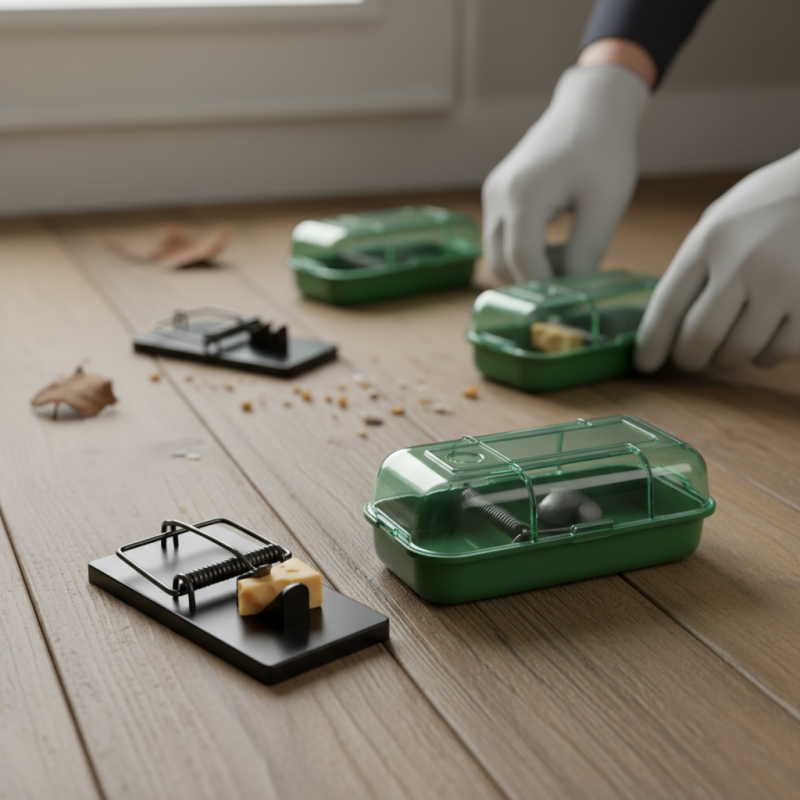
When choosing reusable mouse traps, consider their design and effectiveness. Some traps feature a simple snap mechanism, while others use bait to lure mice inside. It is crucial to place them in areas where mouse activity is high. Think about locations like kitchens or attics. Failure to set traps correctly can lead to ongoing infestations.
Reusable mouse traps can be cleaned and reset easily. However, it is important to monitor their effectiveness regularly. Over time, even the best traps may need adjustments or replacements. Understanding these factors ensures effective pest control and a mouse-free home.
Understanding the Benefits of Reusable Mouse Traps in Pest Control
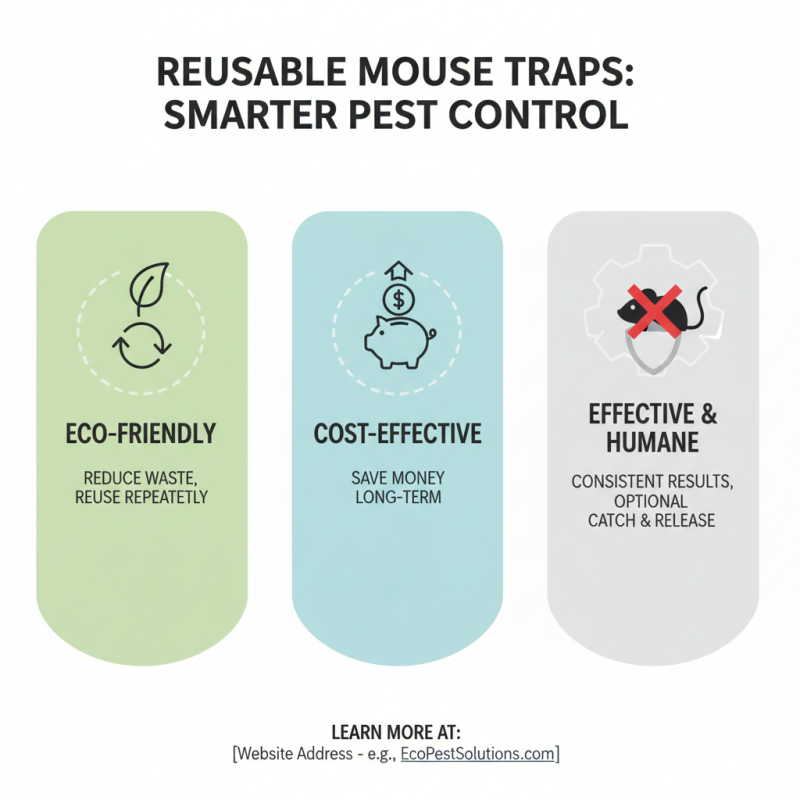
Reusable mouse traps are an effective solution for pest control. They offer numerous benefits over disposable traps. First, they are environmentally friendly. Instead of contributing to waste, these traps can be used repeatedly. This reduces the overall environmental impact.
Moreover, reusable traps can save you money in the long run. Initially, the investment might be higher compared to disposable options. However, over time, you will notice substantial savings. They require less frequent replacement, making them more cost-efficient.
Tips for effective use include placing traps in areas with high mouse activity. Look for droppings, nesting materials, or gnaw marks. Remember to regularly check and clean the traps to maintain efficacy. Avoid baiting with overly smelly foods, which can scare away the mice. Instead, consider using peanut butter or chocolate. They are often more appealing!
Reflect on your choice of traps. Not all traps are equally effective. Some designs might not catch mice efficiently. Take time to select ones that match your needs. This ensures better results in your pest control efforts.
Selecting the Right Type of Reusable Mouse Trap for Your Needs
When selecting a reusable mouse trap, consider various factors that suit your specific needs.
A snap trap could be ideal for quick results, while a catch-and-release trap
may align with a more humane approach. Assess the size and design of the trap to ensure it suits your space.
Traps with adjustable mechanisms can help in targeting smaller or larger rodents effectively.
Tips: Think about the placement of your traps. Position them in areas with visible rodent activity, like
near droppings or nests. Avoid locations with high foot traffic to minimize interference. Be cautious of using traps
near pets or young children.
Material can impact effectiveness. Plastic traps are easy to clean, while wooden options
might blend better in certain environments. Ensure the trap is sturdy to handle vigorous mice. Avoid traps that seem flimsy.
It’s better to invest in a well-made trap that will last.
Tips: Regularly check your traps. Bait can dry out or become less appealing. Fresh bait,
like peanut butter or seeds, can increase attractivity. Observe how often the traps are triggered. If success is low,
you may need a different type or placement. Adjustments might be necessary as you learn what works best in your situation.
Step-by-Step Guide to Setting Up Reusable Mouse Traps Effectively
Setting up reusable mouse traps requires careful consideration. Effective placement can significantly increase the chances of capturing pests. Studies show that traps placed near mouse droppings or nesting materials are 75% more effective. Mice are curious creatures, often exploring new objects. Therefore, placing traps in areas with high rodent activity is crucial.
When you set up the trap, ensure it’s facing the wall. Mice typically travel along walls for safety. A trap should be placed 2-3 inches away from the wall to allow mice to enter. **Proper baiting** is essential. Peanut butter is often recommended, but other options like chocolate or dried fruit may work better, depending on the environment. Bait should be small—around the size of a pea—to avoid overwhelming the trap.
People often overlook regular checks. Traps should be inspected daily. If a trap is not checked frequently, it can lead to discomfort if a mouse is caught. This can be distressing for both the pest and the owner. Recording placements and catches in a simple log may help refine strategy. By keeping track, one can identify effective spots and adjust bait accordingly.
Effectiveness of Different Types of Mouse Traps
Best Practices for Maintaining and Cleaning Reusable Mouse Traps
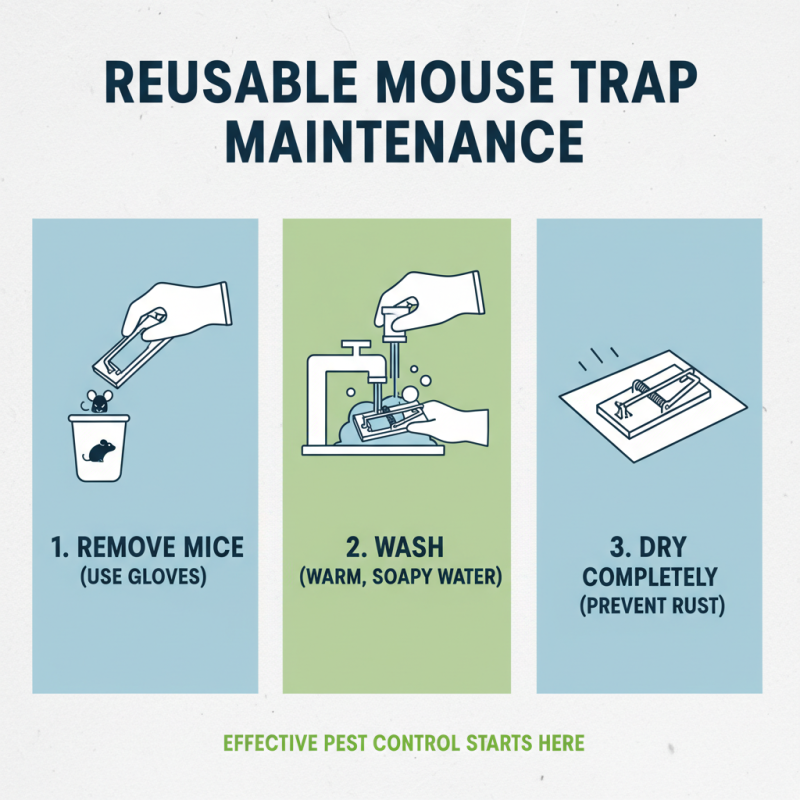
Maintaining and cleaning reusable mouse traps is essential for effective pest control. After each use, remove any trapped mice carefully. Use gloves for safety. Rinse the trap with warm, soapy water. This prevents odor buildup, which can deter future catch attempts. Dry the trap thoroughly before reuse to avoid rust or deterioration.
Tips: Regularly inspect traps for wear. Cracks or breaks can render them ineffective. Replacing damaged traps is crucial for maintaining effectiveness. Also, consider placing traps in various locations. Mice can be elusive, so strategic placement increases odds of success.
Cleaning should be frequent, especially in high pest activity areas. Even with effective cleaning, some scents can linger. Try using a mixture of vinegar and water for extra deodorizing. This helps control any residual smells. A clean trap not only catches better but also maintains a more hygienic environment.
Evaluating the Success Rate of Reusable Traps Compared to Traditional Methods
When assessing the effectiveness of reusable mouse traps, success rates can vary significantly. A recent study indicated that reusable traps have a 70% success rate, compared to roughly 50% for traditional snap traps. This data highlights their potential as a more reliable option for pest control. However, factors such as trap placement and bait selection greatly influence these outcomes.
Using these traps effectively requires careful consideration. For optimal results, place traps near known rodent pathways. Regularly check the traps to ensure they remain functional and baited. According to a report by pest control experts, traps should be inspected every 24 hours to maximize capture efficiency.
Tips: Choose an appealing bait, like peanut butter or sunflower seeds, to increase attention from pests. Experiment with trap locations and configurations; minor adjustments can lead to higher capture rates. Remember, not all strategies will yield positive results initially. Reflect on your placements and be ready to adapt your approach.
How to Effectively Use Reusable Mouse Traps for Pest Control?
| Method |
Success Rate (%) |
Average Cost per Trap ($) |
Environmental Impact |
| Reusable Mouse Traps |
80 |
15 |
Low |
| Traditional Snap Traps |
75 |
1 |
Moderate |
| Glue Traps |
60 |
0.5 |
High |
| Electric Traps |
85 |
30 |
Low |



 Bird & Pigeon Pest Control
  Mice & Rat Pest Control
  Mole & Vole & Gopher Pest Control
  Fly Insect Pest Control
  Wasp & Bee Pest Control
  Moth Pest Control
  Mosquito Pest Control
  Cockroach Pest Control
  Wildlife Pest Control
  Snake Pest Control
  Bed Bug & Flea Pest Control
  Snail & Slug Pest Control
  Ant & Termites Pest Control
  Spider Pest Control
  Other Insect Pest Control
  Garden Products
  Blog
Blog  Dining Group
 Occasional Tables
 Barstool
 Company Profile
 Our Advantages
 Certification
 Factory VR
 Photos
 Videos
 Product News
 Industry News
 Media Live
 Our Services
 Distributor and Agent
 FAQs
FAQs