What is an Electronic Mouse Trap and How Does It Work for Pest Control
In the fight against pest infestations, the electronic mouse trap is a revolutionary tool that has garnered attention for its effectiveness and humane approach to rodent control. According to Dr. Jonathan Green, a leading expert in pest management, "The electronic mouse trap represents a significant advancement in pest control technology, offering both efficiency and humane treatment for rodents." This innovative device utilizes a combination of sensors and electrical mechanisms to detect and eliminate mice without the use of toxic chemicals, making it a safer alternative for households and businesses alike.
As the prevalence of mice in urban settings continues to rise, the need for effective pest control solutions has never been more pressing. The electronic mouse trap not only addresses this issue but does so in a way that minimizes suffering for the animals involved. By understanding how these devices work—employing principles of electricity and motion sensing—consumers can make informed decisions about managing rodent populations in their environments. The integration of advanced technology in pest control is reshaping how we think about and tackle invaders in our spaces, making electronic mouse traps an essential topic of discussion in today’s pest management strategies.
What is an Electronic Mouse Trap?
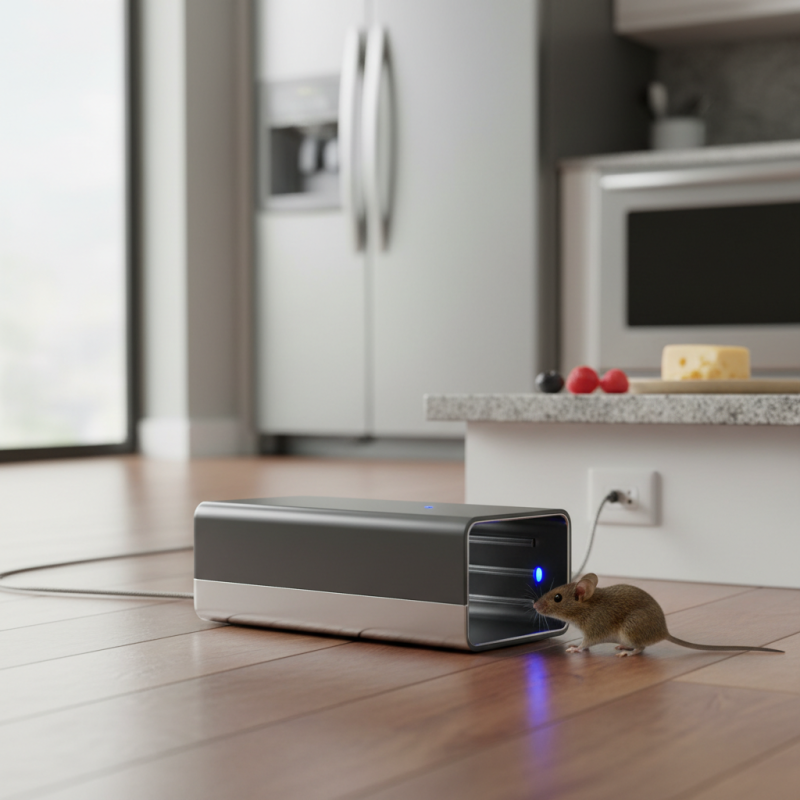
An electronic mouse trap is a modern pest control device that uses electricity to eliminate mice effectively and humanely. Unlike traditional traps that may cause prolonged suffering, these devices deliver a quick and lethal shock to the rodent, ensuring a more efficient kill. Typically powered by batteries, electronic mouse traps feature a bait chamber that lures the mouse inside. Once the mouse enters, it completes an electrical circuit, triggering an instantaneous shock that incapacitates the animal.
These traps are designed with safety in mind, offering a hygienic solution for households dealing with rodent infestations. The enclosed design minimizes the risk of accidental contact with pets or children while also reducing unpleasant odors associated with dead rodents. Many electronic mouse traps are equipped with LED indicators, providing users with a clear visual cue when a mouse has been caught, thus eliminating the need for frequent checks. The ease of use and effectiveness of electronic mouse traps make them a popular choice for both residential and commercial pest control solutions.
Mouse Trap Effectiveness Comparison
This chart compares the effectiveness of different types of mouse traps. The electronic mouse trap stands out with an effectiveness rating of 90%, indicating its efficiency in pest control relative to traditional snap traps (75%) and glue traps (50%).
Key Components of Electronic Mouse Traps
Electronic mouse traps are innovative devices designed for effective pest control, employing advanced technology to eliminate rodents efficiently. The key components of these traps include a power source, detection and triggering mechanism, and a kill chamber. Typically, these traps are powered by batteries, ensuring they are portable and can be placed in various locations without the need for electrical outlets. The detection mechanism often utilizes sensors to identify when a mouse enters the trap, triggering an electric shock that quickly and humanely kills the pest.
According to a report by the National Pest Management Association, nearly 21 million homes in the U.S. are affected by rodent infestations each year. Electronic mouse traps address this pressing issue by providing a sanitary and non-toxic solution to pest control. In addition to the power source and detection systems, modern electronic traps often come equipped with features such as LED indicators that signal a successful capture, and some models even allow for remote monitoring through smartphone connectivity, providing homeowners with real-time updates. This combination of technology not only increases efficiency but also enhances user experience, making pest management more manageable in residential areas.
What is an Electronic Mouse Trap and How Does It Work for Pest Control - Key Components of Electronic Mouse Traps
| Component |
Description |
| Power Source |
Typically powered by batteries or a plug-in adapter to ensure mobility and reliability. |
| Sensor |
Infrared or ultrasonic sensors detect the presence of a mouse in the trap, triggering the mechanism. |
| Killing Mechanism |
Usually involves a high-voltage shock that is lethal to the mouse upon entry into the trap. |
| Bait Compartment |
Holds bait to attract mice into the trap, often designed to be easy to refill. |
| Indicator Light |
Signals when the trap has successfully captured a mouse and may also indicate low battery levels. |
| Safety Features |
Usually includes a safety switch or cover to prevent accidental triggers and protect pets and children. |
How Electronic Mouse Traps Function Mechanically
Electronic mouse traps are innovative devices designed for humane and efficient pest control. Understanding how these traps function mechanically is essential to appreciating their effectiveness.
At the core of an electronic mouse trap is a sophisticated system that combines bait solicitation and electrical circuitry. When a mouse enters the trap to reach the bait, it triggers a sensitive plate or sensor that activates the device. This mechanism ensures that the trap only engages when a mouse is present, preventing accidental activation and ensuring safety.
Once the trap is triggered, it delivers a high-voltage electric shock to the mouse. The voltage level is designed to incapacitate the rodent quickly and humanely. The electrical system is powered by batteries or a power supply and is built to ensure that the energy delivered is sufficient for immediate efficacy while minimizing any risks to other animals or humans nearby. Additionally, many electronic traps have indicators that signal when a catch has been made, allowing for easy monitoring of usage without direct inspection, thus promoting a clean and discreet pest control solution.
Advantages of Using Electronic Mouse Traps for Pest Control
Electronic mouse traps have emerged as a highly effective solution for pest control, offering several advantages over traditional methods. One of the primary benefits is the humane approach to trapping mice. Unlike conventional traps that can cause suffering, electronic traps kill rodents instantly using a high-voltage shock, which is not only efficient but also aligns with humane pest control practices. According to a study published by the National Pest Management Association, humane pest control can reduce the spread of diseases associated with rodent populations, which can otherwise have significant health implications for humans.
Moreover, electronic mouse traps are designed to be user-friendly and offer ease of monitoring. Many of these devices feature LED indicators that signal when a rodent has been captured, essentially eliminating the need for users to check traps manually. This convenience is particularly appealing to busy households and businesses; studies indicate that 60% of users prefer the hassle-free nature of electronic traps over traditional options. Furthermore, electronic traps are often reusable and can significantly lower ongoing pest control costs, making them an economically viable option in the long term. Overall, the combination of humaneness, efficiency, and convenience positions electronic mouse traps as a forward-thinking solution for pest management.
Best Practices for Setting Up and Maintaining Electronic Mouse Traps
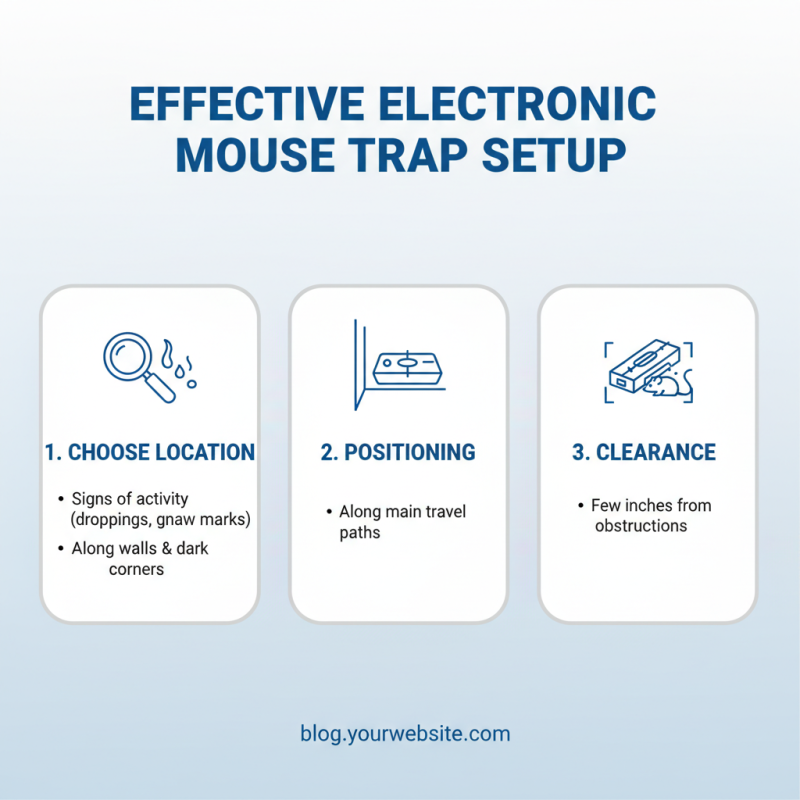
Setting up and maintaining an electronic mouse trap effectively requires attention to detail and adherence to best practices. First, choose the appropriate location for the trap. It’s essential to place the trap in areas where you have noticed signs of mouse activity, such as droppings or gnaw marks. Positioning the trap along walls or in dark corners can enhance its effectiveness, as mice tend to travel along structures. Additionally, ensure that the trap is at least a few inches away from any obstructions to allow a mouse easy access.
Tips for setting up the trap include using bait that is highly attractive to mice, such as peanut butter or chocolate, and placing only a small amount to avoid overloading. Regularly check the trap to ensure it is functioning properly and to minimize discomfort for any trapped mice. It’s also advisable to maintain cleanliness around the trap area to avoid deterring mice due to excess food or debris.
Once your electronic mouse trap is in place, maintenance is vital for long-term success. Clean the trap regularly with a damp cloth to remove any residues that might interfere with its operation. Replacing the batteries periodically is crucial to ensure the trap remains functional. Monitoring the trap frequently not only helps in promptly addressing any mouse issues but also keeps you informed about the ongoing activity in your space, allowing for timely interventions.



 Bird & Pigeon Pest Control
  Mice & Rat Pest Control
  Mole & Vole & Gopher Pest Control
  Fly Insect Pest Control
  Wasp & Bee Pest Control
  Moth Pest Control
  Mosquito Pest Control
  Cockroach Pest Control
  Wildlife Pest Control
  Snake Pest Control
  Bed Bug & Flea Pest Control
  Snail & Slug Pest Control
  Ant & Termites Pest Control
  Spider Pest Control
  Other Insect Pest Control
  Garden Products
  Blog
Blog  Dining Group
 Occasional Tables
 Barstool
 Company Profile
 Our Advantages
 Certification
 Factory VR
 Photos
 Videos
 Product News
 Industry News
 Media Live
 Our Services
 Distributor and Agent
 FAQs
FAQs