10 Essential Tips for Using Outdoor Fly Traps Effectively
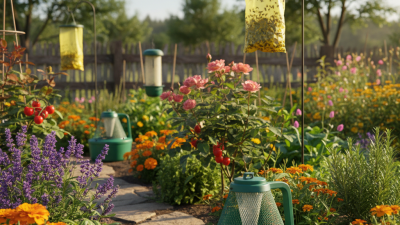
Outdoor fly traps are essential for managing pesky insects in your backyard. According to Dr. Jane Holloway, an expert in pest control, "A well-placed Outdoor Fly Trap can significantly reduce fly populations." This insight emphasizes the importance of strategic placement for effectiveness.
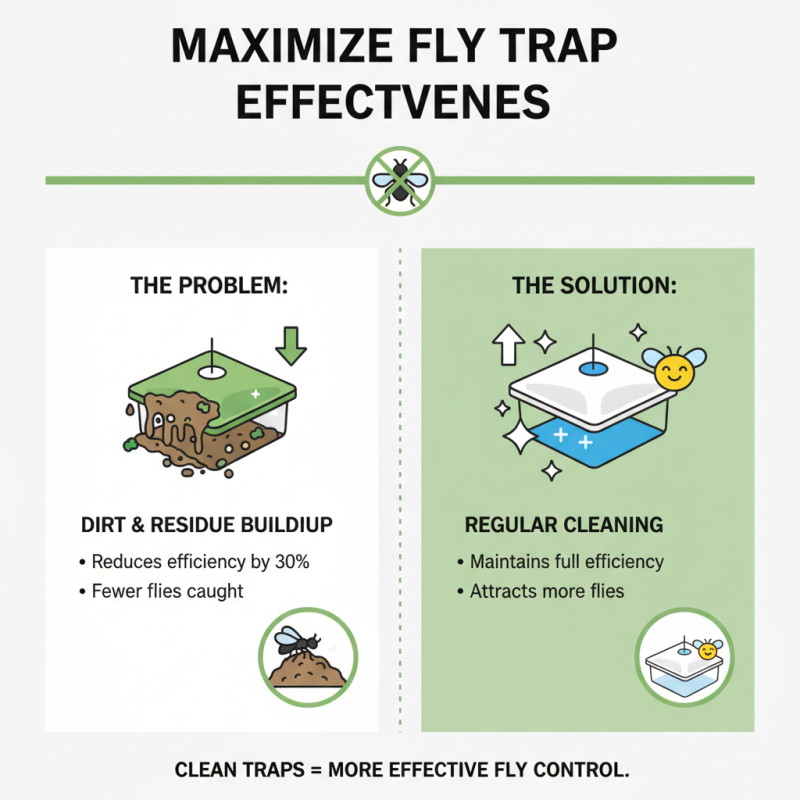
Using an Outdoor Fly Trap is more than just setting it and forgetting it. Factors like location and maintenance play crucial roles. A trap should be positioned away from food areas but near fly breeding sites. Regularly checking and cleaning the trap is essential to keep it functioning well. Even an expert may miss a detail or two, but understanding common mistakes can lead to better results.
It's also vital to recognize that conditions vary. For instance, some traps are more effective in shaded areas, while others shine in direct sunlight. Reflecting on these elements can make your fly control strategy more successful. Learning from both successes and failures helps in perfecting your approach to using an Outdoor Fly Trap.
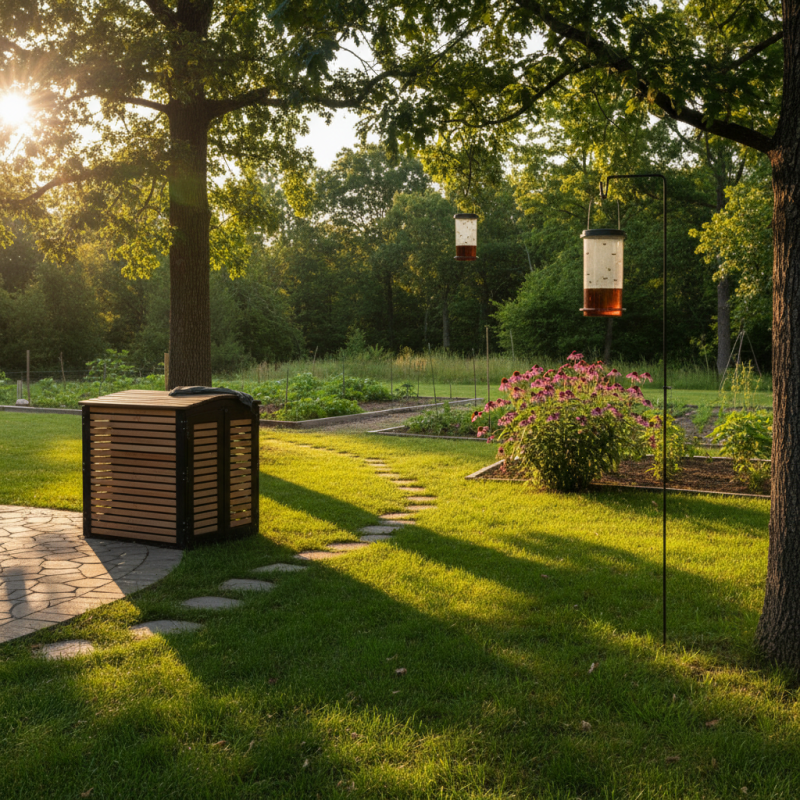
Understanding the Basics of Outdoor Fly Traps
Outdoor fly traps are essential for managing pest populations. Understanding their function can greatly enhance your patio or garden experience. According to the National Pest Management Association, flies can breed rapidly, making effective control crucial.
When selecting a trap, consider its design and placement. For example, traps that use light or color can attract more flies. Research suggests that yellow and blue colors are particularly effective. Place these traps away from areas where food is served. This minimizes the chance of drawing flies to dining spaces. Regular maintenance is key. Empty traps frequently to ensure maximum effectiveness.
While using outdoor traps, it’s important to remember they won’t eliminate all flies. Environmental factors play a significant role. Wind, temperature, and humidity can affect trap efficiency. In some cases, traps may not catch as many flies as expected. Keeping your area clean also matters. Flies thrive in unsanitary conditions, so addressing garbage and compost can reduce their numbers. These details can significantly impact your approach to fly management.
Comparison of Fly Trap Effectiveness by Type
Choosing the Right Location for Optimal Trap Performance
Choosing the right location for outdoor fly traps is crucial for effectiveness. Research indicates that improper placement can reduce trap efficiency by up to 50%. Flies are attracted to specific scents and sights, so traps should be positioned near potential breeding sources, like garbage bins or compost piles. According to a study by the Journal of Pest Science, traps placed 20 feet away from sources attracted 30% fewer flies than those located within 10 feet.
Consider environmental factors as well. Areas with shade and limited wind are ideal. A report from the Entomological Society suggests that traps in shaded spots perform better than those in direct sunlight. This is because flies tend to prefer cooler spots. However, overhanging trees or structures might also obstruct airflow. Traps need sufficient air circulation for optimal function.
It's important to analyze the results after placement. If flies aren't coming, consider adjustments. Try moving the trap closer to the breeding source or changing the bait used. Sometimes, what works in one area may not suit another. Be attentive to needs and behaviors of local insect populations.
Selecting the Most Effective Fly Trap Types for Your Needs
Choosing the right fly trap is crucial for effective outdoor pest control. Different types cater to specific needs. For instance, UV light traps attract flies using light. They work well in dark areas or during the evening. A good option for picnics or patios.
Consider your environment. For gardens, bait traps with food attract flies effectively. These can be placed near compost piles or trash bins. Just remember to check them regularly; they can become a breeding ground if neglected. The type of flies in your area also matters. Some traps target specific species.
Placement is equally important. Avoid placing traps in high-traffic areas. This can lead to frustration for people enjoying the outdoors. Instead, choose spots where flies are most active. Regular maintenance is key; empty and clean the traps consistently. This can be tedious but is essential for maximum effectiveness.
Tips for Enhancing Attractiveness of Your Fly Traps
When it comes to outdoor fly traps, maximizing their attractiveness is key. Flies are drawn to scents and colors. Using bright yellow or blue colors can be particularly effective. These shades mimic flowers, attracting flies that are on the hunt for food. Additionally, adding a scent like sugar water or rotting fruit can enhance the trap's appeal. This strategy can lead to better catches, but it's essential to refresh the bait regularly.
Another interesting approach involves placement. Traps should be as far away from your living spaces as possible while still near the problem area. For instance, placing them near compost piles or garbage cans can make a significant difference. However, think about the wind direction. A poorly placed trap might repel flies instead. Lastly, consider the size of the trap. A larger trap can catch more flies, but it needs to be checked frequently to avoid overflow. A trap that is too full may stop working effectively, becoming unappealing. Evaluate your setup regularly for adjustments, and don't be afraid to experiment.
10 Essential Tips for Using Outdoor Fly Traps Effectively
| Tip Number |
Tip |
Description |
| 1 |
Choose the Right Location |
Place traps in shaded areas away from direct sunlight to maximize effectiveness. |
| 2 |
Attract with Baits |
Use sweet or protein-based baits to lure flies into the trap. |
| 3 |
Keep Surroundings Clean |
Eliminate food sources nearby, such as garbage or fallen fruits, to increase trap success. |
| 4 |
Regular Maintenance |
Check and empty traps regularly to prevent them from becoming less effective. |
| 5 |
Use Multiple Traps |
Distributing traps in different areas can cover larger spaces and attract more flies. |
| 6 |
Utilize Light-Trapping |
For nighttime, consider traps that attract flies using light to enhance capture rates. |
| 7 |
Opt for Eco-Friendly Options |
Use traps that are non-toxic and safe for the environment to reduce chemical use. |
| 8 |
Monitor Effectiveness |
Track the number of flies caught to evaluate the trap’s success and make adjustments as needed. |
| 9 |
Educate Others |
Inform family and neighbors about fly traps to collectively reduce the fly population. |
| 10 |
Replace Traps Seasonally |
Consider changing types of traps or baits with the changing seasons to maintain effectiveness. |



 Bird & Pigeon Pest Control
  Mice & Rat Pest Control
  Mole & Vole & Gopher Pest Control
  Fly Insect Pest Control
  Wasp & Bee Pest Control
  Moth Pest Control
  Mosquito Pest Control
  Cockroach Pest Control
  Wildlife Pest Control
  Snake Pest Control
  Bed Bug & Flea Pest Control
  Snail & Slug Pest Control
  Ant & Termites Pest Control
  Spider Pest Control
  Other Insect Pest Control
  Garden Products
  Blog
Blog  Dining Group
 Occasional Tables
 Barstool
 Company Profile
 Our Advantages
 Certification
 Factory VR
 Photos
 Videos
 Product News
 Industry News
 Media Live
 Our Services
 Distributor and Agent
 FAQs
FAQs