Bird & Pigeon Pest Control
Mice & Rat Pest Control
Mole & Vole & Gopher Pest Control
Fly Insect Pest Control
Wasp & Bee Pest Control
Moth Pest Control
Mosquito Pest Control
Cockroach Pest Control
Wildlife Pest Control
Snake Pest Control
Bed Bug & Flea Pest Control
Snail & Slug Pest Control
Ant & Termites Pest Control
Spider Pest Control
Other Insect Pest Control
Garden Products
Blog When dealing with unwanted rodent guests in your home, finding an effective solution is crucial. One of the most popular choices among homeowners and pest control enthusiasts alike is the Plastic Mouse Trap. These traps offer numerous advantages, including ease of use, affordability, and the potential for quick results in controlling mouse populations. However, simply placing a Plastic Mouse Trap in a corner is not sufficient to ensure success; knowing how to use them effectively is key.
In this guide, we will explore ten essential tips that will help you maximize the efficiency of your Plastic Mouse Traps. From selecting the right bait to the ideal placement techniques, our detailed strategies will empower you to tackle your mouse problem head-on. Whether you’re a seasoned pest controller or new to handling such situations, these insights will enhance your trapping game and lead to more effective results. Let’s delve into the best practices for using Plastic Mouse Traps that not only ensure humane handling of the issue but also provide a lasting solution for your home.
Plastic mouse traps are designed with a simple yet effective mechanism that makes them a popular choice for pest control. At the core of these traps is a spring-loaded arm that snaps down when the mouse triggers the trap by stepping on a pressure-sensitive plate. This sudden movement effectively captures the mouse quickly, minimizing its chance of escape and ensuring a humane kill. Understanding this mechanism is crucial for setting up the traps correctly and enhancing their effectiveness.
To maximize the efficiency of plastic mouse traps, it’s important to consider their placement and baiting. The traps should be positioned along common rodent pathways, such as walls and corners, where mice are likely to travel. Proper bait selection and placement on the trigger plate can significantly increase the chances of a successful catch. Use appealing bait such as peanut butter or sunflower seeds, and place it in a way that the mouse will need to step on the trigger to access it. By comprehending the basic mechanism and implementing strategic placement and baiting, you can significantly improve your results in controlling mouse populations effectively.
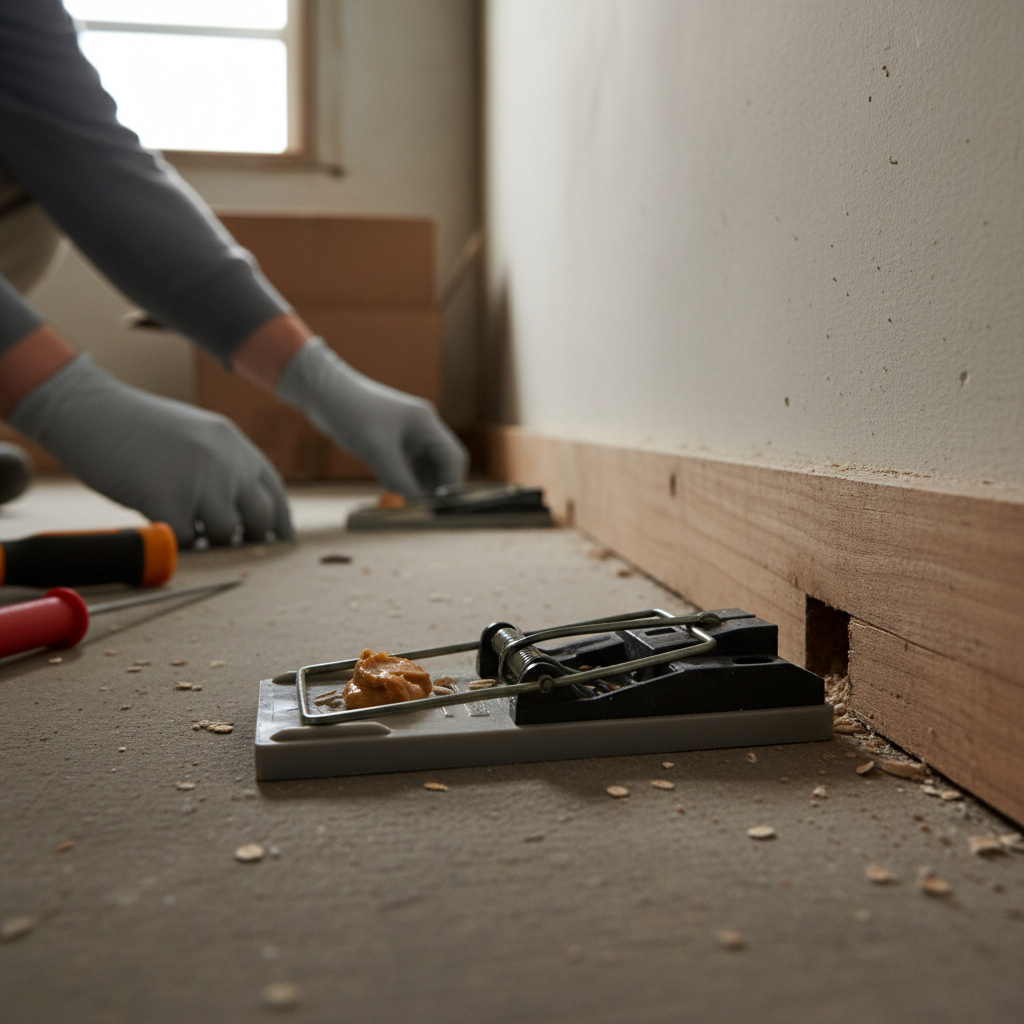
Choosing the right location for placing plastic mouse traps is crucial for maximizing their effectiveness. Start by identifying high-traffic areas where mouse activity is most likely. Common spots include near walls, in corners, and close to food sources such as pantries or kitchens. Mice tend to travel along established pathways, so placing traps in these areas increases the likelihood of capturing them.
Additionally, consider the environment surrounding the trap. Avoid placing traps in areas exposed to direct sunlight or moisture, as these conditions can deter mice. Instead, aim for sheltered spots where mice feel safe to venture. Remember that mice are naturally cautious and may avoid traps in open spaces. By strategically positioning your traps in concealed yet accessible locations, you enhance your chances of successful rodent control.
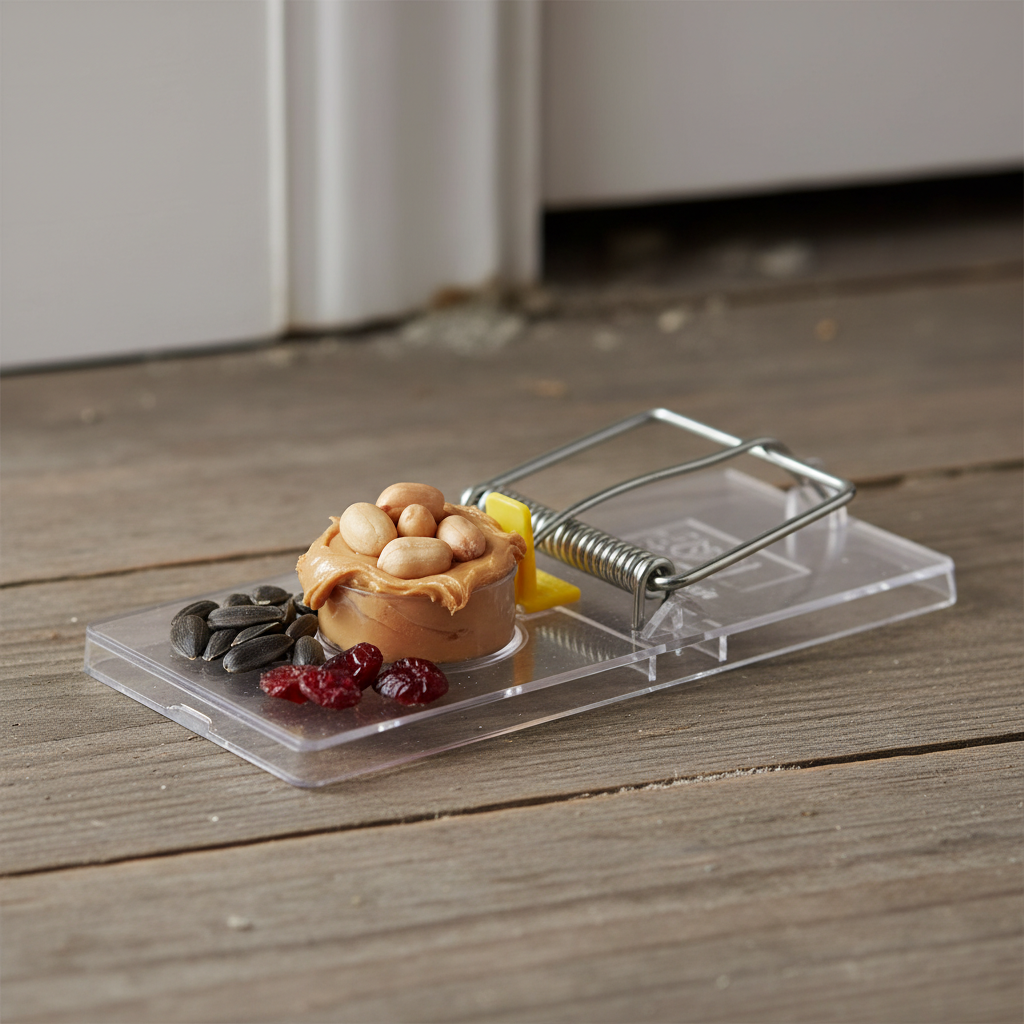
When it comes to using plastic mouse traps effectively, proper bait selection is crucial for enticing mice. Mice are opportunistic feeders, attracted to strong scents and high-calorie foods. Popular bait options include peanut butter, which has a strong aroma and sticky texture, making it difficult for mice to eat without triggering the trap. Alternatively, sunflower seeds or dried fruit can also serve as effective baits, appealing to mice's natural instincts to forage for food. It's important to avoid using foods with a low scent profile, as these may not attract mice effectively.
In addition to choosing the right bait, the placement of the traps is equally important. Position traps along walls, where mice tend to travel, and ensure that the bait is securely placed to avoid accidental removal. Changing the bait regularly can help keep it fresh and maintain its attractiveness. By combining effective bait selection with strategic trap placement, you can significantly increase your chances of catching mice and managing their presence in your home.
When using plastic mouse traps, setting them correctly is crucial for achieving optimal results. The effectiveness of these traps largely depends on their configuration and placement. A study by the National Pest Management Association indicates that incorrectly set traps can reduce effectiveness by up to 60%, failing to capture even the most common pests. To ensure success, position traps in areas with high mouse activity, such as along walls and behind appliances, where mice feel secure.
Additionally, proper bait selection plays a key role in attracting mice. Use high-calorie foods like peanut butter or sunflower seeds, as these attract rodents more effectively due to their rich scent. It’s important to place a small amount on the trigger mechanism to ensure that mice engage with the trap properly. Remember to check traps regularly and replace them as needed to maintain their effectiveness. By implementing these strategies and consistently monitoring your traps, you can improve your pest control efforts significantly.
Moreover, always follow the manufacturer's guidelines for setting traps to minimize accidental catches, ensuring they are both humanely effective and compliant with local wildlife protection regulations.
Proper maintenance and cleaning of plastic mouse traps not only extends their lifespan but also ensures safer handling and increased effectiveness. According to the National Pest Management Association (NPMA), neglected traps can become less effective due to the buildup of debris or odors that deter mice. Regular cleaning of these traps after each use is essential. A mixture of warm water and mild detergent should be used to remove any remnants of bait or blood, and it's crucial to rinse thoroughly to eliminate any residue that could repel future catches.
In addition to cleanliness, checking for signs of wear and tear is vital for safety and efficiency. A study by the University of California's Agriculture and Natural Resources department highlights that replacing damaged traps promptly can prevent unintended injuries to pets and children. It is recommended to inspect traps regularly and replace them if any cracks or breaks are found. By ensuring your traps are in optimal condition, you not only improve your success rates in catching mice but also maintain a safer environment for your household.
| Tip Number | Tip Description | Maintenance Frequency | Safety Precautions |
|---|---|---|---|
| 1 | Place traps in high-traffic areas. | Weekly | Keep away from pets and children. |
| 2 | Use bait that appeals to mice. | Before each use | Avoid using toxic bait. |
| 3 | Regularly check traps for catches. | Daily | Use gloves when handling traps. |
| 4 | Clean traps thoroughly after use. | After each catch | Use non-toxic cleaning agents. |
| 5 | Store traps in a dry place. | Monthly | Ensure traps are out of reach of children. |
| 6 | Position traps perpendicular to walls. | Every setup | Seal any open food containers nearby. |
| 7 | Replace old traps as needed. | As required | Dispose of old traps safely. |
| 8 | Check for any signs of damage. | Weekly | Repair or replace as necessary. |
| 9 | Read the instructions carefully before setup. | Before first use | Ensure all safety measures are understood. |
| 10 | Consider using multiple traps for higher effectiveness. | As needed | Place traps strategically to avoid overcrowding. |