10 Essential Tips for Using Reusable Mouse Traps Effectively
In today's world, the use of Reusable Mouse Traps has become increasingly popular among homeowners. These traps provide an eco-friendly way to deal with rodent problems without resorting to harmful chemicals. Unlike traditional traps, reusable versions can be set multiple times. This not only saves money but also reduces waste. Many people are unaware of the best practices for using these traps effectively. Common mistakes often lead to frustration and ineffectiveness.
Setting a reusable trap may seem easy, yet it requires some thought. Proper placement is crucial to catching mice efficiently. Some individuals may rush this step, leading to poor results. It's essential to analyze the environment and identify areas where mice are active. Using enticing bait can also significantly enhance trap effectiveness. However, choosing the right bait isn’t always straightforward. Some users stress about selecting the perfect option, often wasting time on trial and error.
Understanding these nuances in using Reusable Mouse Traps can make a significant difference in outcomes. For example, maintaining cleanliness around the traps prevents mice from losing interest. Neglecting this aspect can lead to disappointment when traps remain unvisited. Delving into the practical tips outlined will improve your experience. With attention to detail, using reusable traps can transform a frustrating situation into a successful strategy.

Understanding How Reusable Mouse Traps Work
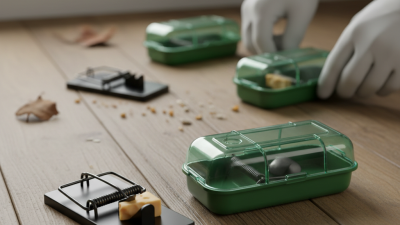
Understanding how reusable mouse traps work can greatly enhance your pest control efforts. These traps are designed to lure mice using bait. Once the mouse enters, it is trapped without causing harm to the creature. This method aligns with a more humane approach, as the traps allow for relocation instead of extermination.
Setting up the trap is just as crucial as its design. Place it against walls, where mice frequently travel. Ensure the bait is fresh; common choices include peanut butter or seeds. A well-placed trap can improve your chances of catching the elusive rodents. However, it requires diligence and regular checks to ensure it functions correctly. Sometimes, even the best traps can fail—perhaps due to inadequate bait or poor positioning.
Cleanliness matters too. A cluttered environment may deter the trap's effectiveness. After each catch, clean the trap properly. It’s essential to maintain it for future use. Reflect on the locations and frequency of mouse sightings to determine if changes are needed. Being attentive to these details can lead to more effective pest control with reusable traps.
10 Essential Tips for Using Reusable Mouse Traps Effectively
| Tip Number |
Tip Description |
Effectiveness |
Best Time to Use |
| 1 |
Choose the right location for traps |
High |
Evening |
| 2 |
Use the right bait |
High |
Night |
| 3 |
Keep traps clean |
Medium |
Weekly |
| 4 |
Set multiple traps |
High |
As needed |
| 5 |
Check traps regularly |
Medium |
Daily |
| 6 |
Use gloves when handling |
High |
Always |
| 7 |
Follow the manufacturer's guidelines |
High |
Before setup |
| 8 |
Inspect for damage |
Medium |
Before use |
| 9 |
Rotate trap locations |
Medium |
Monthly |
| 10 |
Store bait properly |
High |
After use |
Choosing the Right Location for Your Traps
Choosing the right location for your reusable mouse traps is crucial for effective use. Mice are cautious creatures. They usually travel along walls and in hidden areas. Positioning traps near these routes can increase your success rate. Look for signs of activity, such as droppings or gnawed materials. These indicators can guide where to place the traps.
Consider setting traps in corners and along baseboards. Make sure they are away from high-traffic areas where children and pets roam. Remember that mice are more active during dusk and dawn. This can inform your decision on when to check the traps. It’s essential to monitor their performance regularly. You might discover they aren’t catching anything if the placement isn’t ideal.
Experimenting with different locations may yield better results. It’s okay to make mistakes in the process. If certain areas are not effective, reassess and relocate. Adjusting your strategy can help, even when initial attempts fail. The key is patience and observation. It’s not always easy, but finding the perfect spot is worth the effort.
Effectiveness of Reusable Mouse Traps by Location
Bait Selection: What Works Best for Attracting Mice
When it comes to trapping mice, bait selection can significantly affect your success rate. According to a study from the National Pest Management Association, using the right bait increases trap effectiveness by up to 50%. Common choices include peanut butter, seeds, and dried fruits, but not all mice are the same. Just like people, mice have their preferences. Experimenting with different types can yield better results.
Peanut butter is widely regarded as a top choice. Its strong scent helps draw in curious rodents. Nut butters, in general, are sticky and keep mice occupied, allowing the trap to do its job. Some reports suggest that using a mix of bait can be beneficial. For instance, combining oats and peanut butter might attract a wider range of mice.
While cheese is often depicted in cartoons, it is not the best option. Research indicates that less than 5% of caught mice were attracted by cheese baits. This shows that misconceptions about bait can hurt your chances. Finding the right combination may take time and patience. Reflect on what has worked previously and be prepared to adjust your strategy.
Setting Up and Maintaining Your Reusable Mouse Traps
When setting up reusable mouse traps, choose the right location. Look for areas with signs of mouse activity, such as droppings or gnaw marks. Traps should be placed along walls, as mice tend to travel close to surfaces. Ensure they are unobstructed. Clutter can deter the trap's effectiveness.
Maintenance is key for optimal performance. Regularly check traps, ideally daily. Clean out any caught mice right away to prevent odors. Use gloves when handling traps for hygiene. Occasionally, reset traps even if they remain empty. Mice may become wary of them after some time. It's essential to stay patient and observant. Remember, the process takes time, and results may not be immediate.
Reassess your trap placement if you notice no activity after a week. Small adjustments can lead to better outcomes.
Safe and Ethical Mouse Handling Practices
When using reusable mouse traps, it's crucial to prioritize safe and ethical mouse handling. Begin by placing traps in areas where mice are often seen. This might be near food sources or along walls. Make sure to set the traps in a way that allows for a quick catch without inflicting unnecessary harm. Use traps that allow for easy release, minimizing stress on the captured mice.
Regularly check the traps to ensure mice do not suffer for long. Leaving a mouse trapped for an extended period can lead to distress. If a mouse is caught, handle it with care. Wear gloves and avoid direct contact. It’s vital to release the mouse far from your home, ideally in a natural area. This ensures that they have the best chance at survival.
Many people overlook the importance of humane treatment. Ethical practices can lead to better outcomes for both humans and mice. Reflect on your methods: are they truly humane? Assessing and improving your approach can make a difference. Remember, every small action contributes to a more humane way to coexist with wildlife.



 Bird & Pigeon Pest Control
  Mice & Rat Pest Control
  Mole & Vole & Gopher Pest Control
  Fly Insect Pest Control
  Wasp & Bee Pest Control
  Moth Pest Control
  Mosquito Pest Control
  Cockroach Pest Control
  Wildlife Pest Control
  Snake Pest Control
  Bed Bug & Flea Pest Control
  Snail & Slug Pest Control
  Ant & Termites Pest Control
  Spider Pest Control
  Other Insect Pest Control
  Garden Products
  Blog
Blog  Dining Group
 Occasional Tables
 Barstool
 Company Profile
 Our Advantages
 Certification
 Factory VR
 Photos
 Videos
 Product News
 Industry News
 Media Live
 Our Services
 Distributor and Agent
 FAQs
FAQs