How to Install Anti Bird Spikes to Protect Your Property?
Birds can be a significant nuisance for property owners. They can damage roofs, create unsightly messes, and pose health risks. Installing Anti Bird Spikes is a proven method to address these issues. According to pest control studies, over 60% of property owners experience problems with birds. These findings emphasize the importance of effective solutions.
Anti Bird Spikes are designed to prevent birds from perching on ledges and rooftops. They are practical and humane, effectively deterring birds without causing them harm. A National Pest Management Association report highlights that the use of such spikes can reduce bird-related issues by up to 90%. This data illustrates their effectiveness in protecting properties and maintaining cleanliness.
While Anti Bird Spikes offer many benefits, proper installation is crucial for success. Mistakes during installation can lead to ineffective deterrence or even property damage. Property owners should ensure they follow guidelines meticulously. Engaging professionals might be a worthwhile consideration for those unfamiliar with DIY methods. Understanding the nuances of bird behavior can also enhance the effectiveness of these spikes.
Choosing the Right Anti-Bird Spikes for Your Property
When selecting anti-bird spikes for your property, consider the material and design. Stainless steel spikes are durable and resistant to weather. Plastic spikes are cost-effective but may not last as long. Proper design ensures effectiveness. Choose spikes that can deter birds without causing harm.
Tip: Measure the areas where you want to install spikes. This allows you to select the right length and spacing. Precise measurements lead to better results.
Think about the bird species in your area. Larger birds require longer spikes, while smaller ones may not need as much. Understanding your local bird population helps you make informed decisions.
Tip: Research local bird behavior. Knowing where birds like to perch helps you strategically place spikes. This targeted approach can save time and money.
Preparing Your Property for Anti-Bird Spike Installation
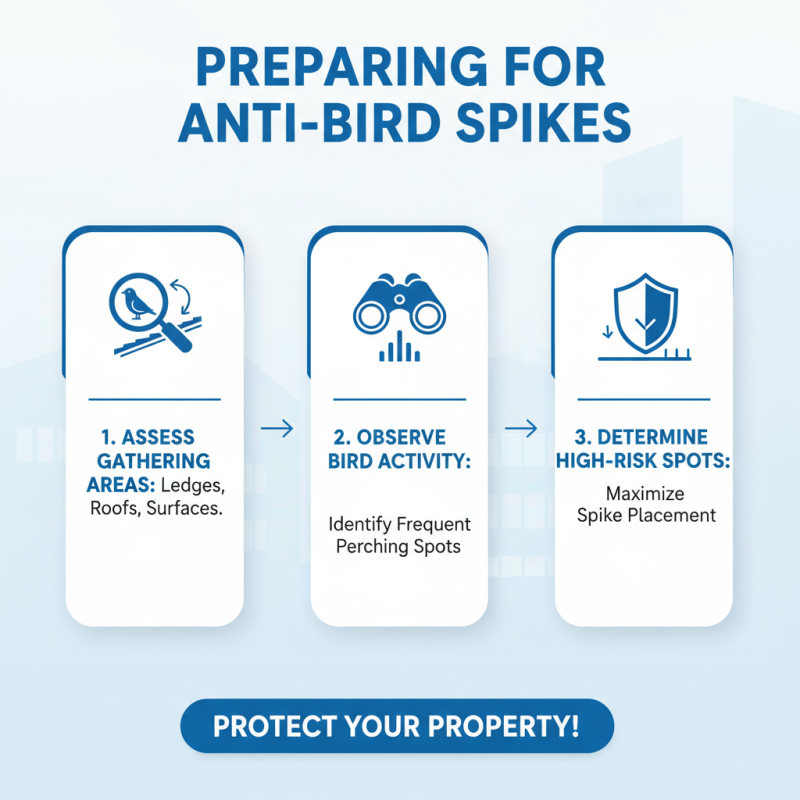
Preparing your property for the installation of anti-bird spikes is crucial. Begin by assessing the specific areas where birds frequently gather. Look for ledges, roofs, and other surfaces that might attract them. Careful observation helps identify high-risk spots where spikes will be most beneficial.
Next, clean the selected areas thoroughly. Remove any nests, debris, or excess dirt. A clean surface ensures that the spikes adhere effectively. It might require some effort to reach high places; ensure safety while doing so. Consider using a sturdy ladder or scaffolding. Wear protective gear to avoid accidents.
Finally, think about the aesthetics of your property. Choose an installation method that blends with the environment. Over time, spikes can become less effective due to weather conditions. Regular maintenance checks are essential. You may find that some spikes need repositioning or replacement. Addressing these details will reflect your commitment to both bird control and property preservation.
Step-by-Step Guide to Installing Anti-Bird Spikes
Installing anti-bird spikes can help safeguard your property from unwanted bird activity. These spikes create a physical barrier, preventing birds from nesting or roosting. According to a report by the Bird Control Group, bird droppings can lead to structural damage. The annual cost of cleaning and maintenance from bird-related issues can reach thousands of dollars for property owners.
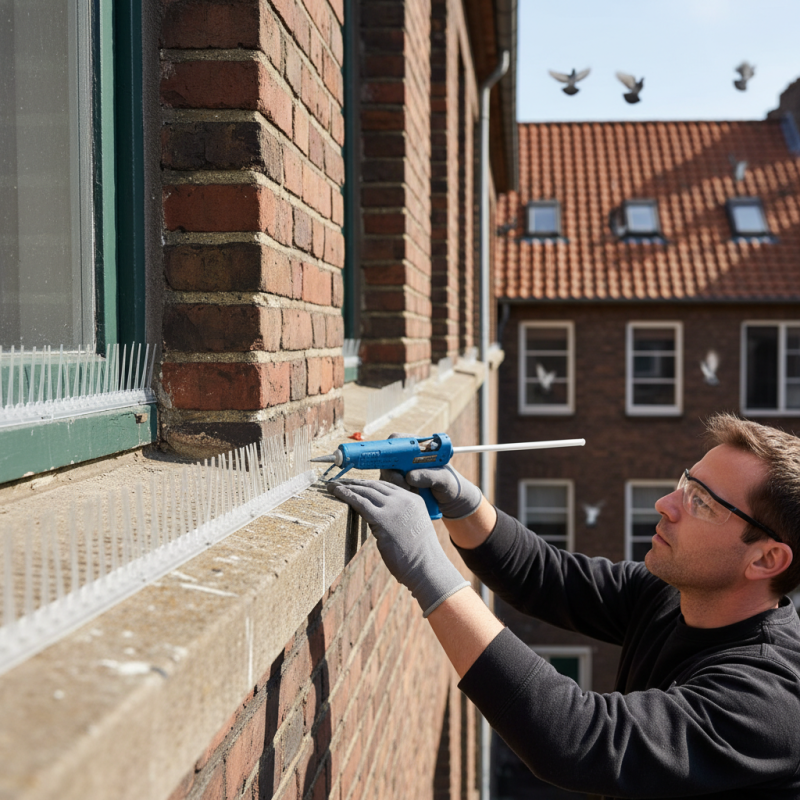
To install anti-bird spikes, begin by selecting appropriate spikes for your surface. Measure the installation area carefully. Ensure to clean the surface thoroughly. Birds often prefer extremely clean spots for nesting. The choice of adhesive is crucial. Use a strong, durable adhesive designed for outdoor use. Application should be consistent, avoiding gaps.
Installation time can vary. Factors include the size of the area and type of spikes used. Rushing through the process can lead to ineffective installation. It’s vital to consider the positioning of spikes to make them effective. Incorrect placement can still allow birds access. Always monitor the area post-installation. Adjustments may be necessary if birds still attempt to land. Regular checks ensure long-term effectiveness, ultimately protecting your property.
Maintaining and Inspecting Your Anti-Bird Spikes
Maintaining and inspecting your anti-bird spikes is crucial to their effectiveness. Regular checks ensure that these installations continue to serve their purpose of deterring birds. Research indicates that neglecting maintenance can lead to reduced performance, often resulting in unwanted bird nesting. It's essential to monitor for dirt, debris, or damage that could compromise the spikes.
Routine inspections should be performed, ideally every few months. During these checks, look for bent or broken spikes. According to a study, a 75% increase in pest bird activity was noted in properties lacking regular maintenance. Cleaning the spikes also prevents the accumulation of organic matter, which can attract birds instead of repelling them.
Weather conditions can impact the durability of anti-bird spikes. For instance, spikes can corrode or lose their effectiveness in extreme temperatures or heavy rains. A US-based report highlighted that well-maintained spikes can last up to five years longer than those that are frequently overlooked. Ignoring routine maintenance can reduce their lifespan and negatively affect property protection. It's essential to reflect on these maintenance needs as an integral part of effective pest control.
Effectiveness of Anti-Bird Spikes in Different Areas
Tips for Effectively Deterring Birds from Your Property
Birds can create significant problems for property owners. Their droppings can cause damage and lead to health risks. According to a report from the National Pest Management Association, birds are responsible for over $1 billion in damage annually in the United States. This statistic underscores the importance of effective deterrent measures.
Installing anti-bird spikes is a practical solution. These spikes prevent birds from landing on surfaces such as roofs, ledges, and signs. Ensure that the spikes are installed firmly and cover all accessible areas. This can significantly reduce the chance of birds nesting or roosting, which is vital in urban settings.
Here are some tips for effectively deterring birds from your property:
- Consider using reflective materials like ribbons or holographic tape. These can scare birds away without causing harm.
- Maintain cleanliness around your property. Remove food sources and standing water, as these attract birds.
- Regularly inspect the spikes for damage. If spikes are bent or missing, they may not be effective. Adjustments and repairs are essential for continual protection.
Effective bird deterrence requires ongoing effort and attention, but the investment pays off. Through diligence, property owners can create an environment that keeps birds at bay.



 Bird & Pigeon Pest Control
  Mice & Rat Pest Control
  Mole & Vole & Gopher Pest Control
  Fly Insect Pest Control
  Wasp & Bee Pest Control
  Moth Pest Control
  Mosquito Pest Control
  Cockroach Pest Control
  Wildlife Pest Control
  Snake Pest Control
  Bed Bug & Flea Pest Control
  Snail & Slug Pest Control
  Ant & Termites Pest Control
  Spider Pest Control
  Other Insect Pest Control
  Garden Products
  Blog
Blog  Dining Group
 Occasional Tables
 Barstool
 Company Profile
 Our Advantages
 Certification
 Factory VR
 Photos
 Videos
 Product News
 Industry News
 Media Live
 Our Services
 Distributor and Agent
 FAQs
FAQs