Why Are Mouse Traps Essential for Home Pest Control?
In the realm of home pest control, the importance of mouse traps cannot be overstated. According to the National Pest Management Association, approximately 29% of homeowners report encountering rodent issues each year. The financial implications can be significant, with a single rodent capable of causing thousands of dollars in damages. Experts agree that one of the most effective methods of managing these pests is through the use of mouse traps.
Dr. Emily Hart, a leading entomologist, emphasizes the necessity of mouse traps in pest control strategies. She states, "Mouse traps are not just tools; they are the first line of defense against potential infestations." This insight highlights the critical role of mouse traps for homeowners. While various pest control methods exist, the reliability and accessibility of mouse traps make them an essential choice for immediate action.
However, the application of mouse traps is not without its challenges. Many individuals struggle with proper placement and trap types. As a result, some may find themselves dealing with ineffective solutions. Yet, enhancing one’s knowledge about mouse traps can lead to improved outcomes in pest management. Understanding the nuances of trap selection and positioning can ultimately ensure a pest-free home.

Understanding the Role of Mouse Traps in Home Pest Control
Mouse traps play a crucial role in
home pest control. They help reduce rodent populations effectively. Proper usage can prevent future infestations. Understanding how these traps work is essential for homeowners. They are designed to
capture mice swiftly and humanely, reducing stress on both the animals and families.
Tips for successful trapping:
- Place traps in areas with signs of activity.
- Look for droppings, gnaw marks, and nesting materials.
- Set traps near walls or corners, where mice naturally travel.
- Ensure there are no food sources nearby to encourage the mice to approach the traps.
Remember that not all traps function the same way. Some are
snap traps, while others are
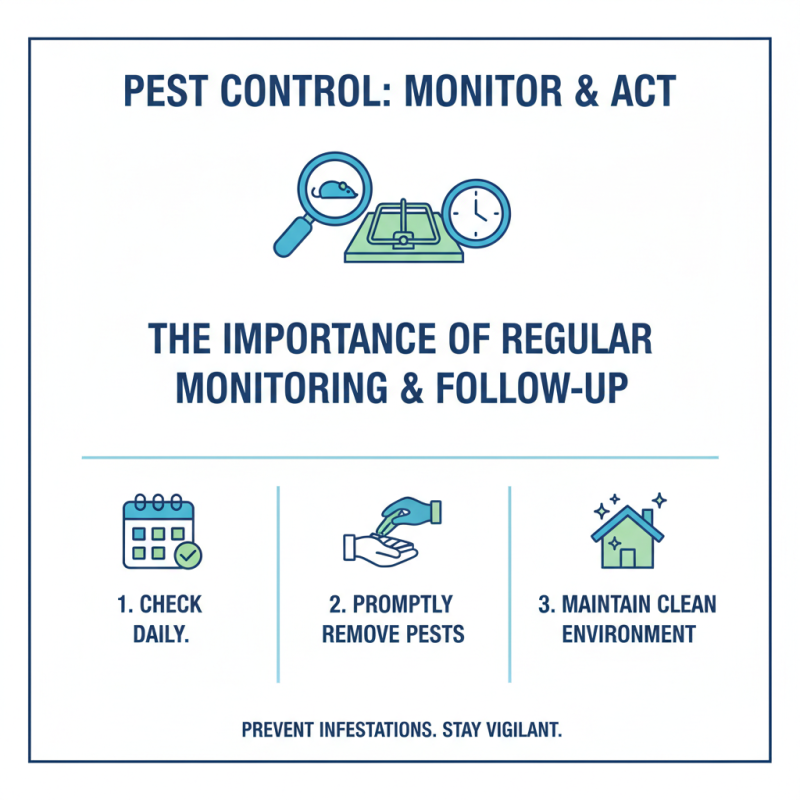
glue traps. Each has its advantages and disadvantages. It’s essential to understand each type’s effectiveness for your situation. Regularly check traps to avoid unpleasant odors and to maintain a clean environment. The key is
consistency in monitoring and adjusting your approach based on what you observe.
Types of Mouse Traps and Their Effectiveness in Catching Mice
When it comes to pest control, mouse traps are a vital tool. Different types of traps cater to various needs.
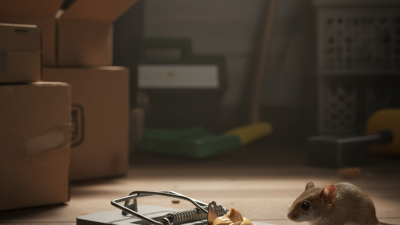
Snap traps are well-known for their quick, lethal action. These traps work by using a spring-loaded mechanism that snaps shut when triggered. They can be very effective but require careful placement.
Glue traps offer a non-lethal alternative. Mice get stuck on a sticky surface and cannot escape. These traps are less invasive but may not always kill the mouse quickly. Some people feel conflicted about using glue traps due to animal welfare concerns.
Live traps are another option, allowing for catch-and-release. However, they require proper follow-up to ensure the mice are released far enough away from home to prevent return.
Choosing the right trap depends on your comfort level and specific situation. Not every trap works for every household. Factors such as the level of infestation and the presence of pets influence effectiveness.
Monitoring traps regularly is essential, regardless of the type used. Neglect can lead to missed opportunities and increased discomfort. Each trap has its strengths and weaknesses; understanding these can guide better pest management decisions.
Safety Considerations When Using Mouse Traps in Households
When considering mouse traps for home pest control, safety is paramount. Many households worry about the potential hazards associated with traps. It’s essential to ensure that pets and young children are kept away from these devices. Placing traps in hidden or high-traffic areas can disrupt these safe zones. Use bait that is less appealing to pets to avoid accidents.
Proper handling of traps is also crucial. Wash hands after setting traps to avoid any food contamination. Dispose of any caught mice securely. This minimizes the risk of disease transmission. Make sure to follow the instructions carefully to avoid malfunctions or missed catches.
Despite their functionality, traps aren’t foolproof. In some instances, they might not capture every mouse. Identifying entry points becomes essential. Homes may have cracks or gaps that are easy to overlook. Reflecting on these details ensures a more comprehensive approach to pest control. It's crucial to stay vigilant and adjust strategies as necessary.
Why Are Mouse Traps Essential for Home Pest Control?
Mouse traps are essential for effective pest control at home. This chart illustrates the importance ratings based on key criteria such as effectiveness, safety, ease of use, cost-effectiveness, and environmental impact. Proper use of mouse traps can ensure a safe and efficient means of managing rodent populations in households.
Best Practices for Setting Up and Maintaining Mouse Traps
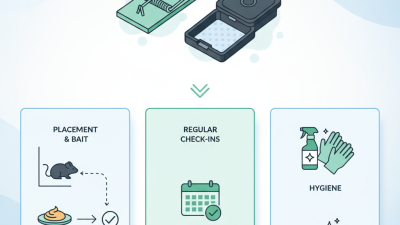
Setting up mouse traps effectively requires attention to detail. Place traps in areas where mice frequently travel, such as along walls or behind appliances. These spots are often high-traffic zones. Mice tend to shy away from open spaces. Ensure traps are positioned against surfaces to maximize their effectiveness.
Maintaining your traps is equally crucial. Regularly check them to avoid stale bait and ensure they function correctly. Different bait types may improve your success rate. Peanut butter is often a favorite, but cheese can also attract rodents. Frequent checks prevent odors and unsanitary conditions from developing.
It's important to reflect on your methods. If traps remain empty for days, reassess your locations and bait choices. This can reveal insights into mouse behavior. Learning from these observations enhances your pest control approach. Don’t hesitate to adjust as needed; effective pest control is often about trial and error.
Why Are Mouse Traps Essential for Home Pest Control? - Best Practices for Setting Up and Maintaining Mouse Traps
| Trap Type |
Effectiveness |
Ease of Use |
Safety |
Cost Range |
Maintenance Tips |
| Snap Trap |
High |
Easy |
Safe if used correctly |
$1 - $5 each |
Check regularly, reset after use |
| Glue Trap |
Moderate |
Very easy |
Caution: may harm non-target animals |
$2 - $10 each |
Dispose promptly once caught |
| Electric Trap |
Very High |
Moderate |
Safe for humans; risk to pets |
$30 - $75 each |
Keep batteries charged, clean after use |
| Live Catch Trap |
Moderate |
Easy |
Humane, but must be handled carefully |
$10 - $20 each |
Release far from home, check daily |



 Bird & Pigeon Pest Control
  Mice & Rat Pest Control
  Mole & Vole & Gopher Pest Control
  Fly Insect Pest Control
  Wasp & Bee Pest Control
  Moth Pest Control
  Mosquito Pest Control
  Cockroach Pest Control
  Wildlife Pest Control
  Snake Pest Control
  Bed Bug & Flea Pest Control
  Snail & Slug Pest Control
  Ant & Termites Pest Control
  Spider Pest Control
  Other Insect Pest Control
  Garden Products
  Blog
Blog  Dining Group
 Occasional Tables
 Barstool
 Company Profile
 Our Advantages
 Certification
 Factory VR
 Photos
 Videos
 Product News
 Industry News
 Media Live
 Our Services
 Distributor and Agent
 FAQs
FAQs