Top Bird Repellent Devices for Effective Pest Control Solutions?
Birds can be a persistent problem for gardens, farms, and urban areas. Their presence not only damages crops but also leads to health concerns. Studies indicate that bird-related pests cause approximately $1 billion in agricultural losses annually. Effective measures are crucial to address this issue.
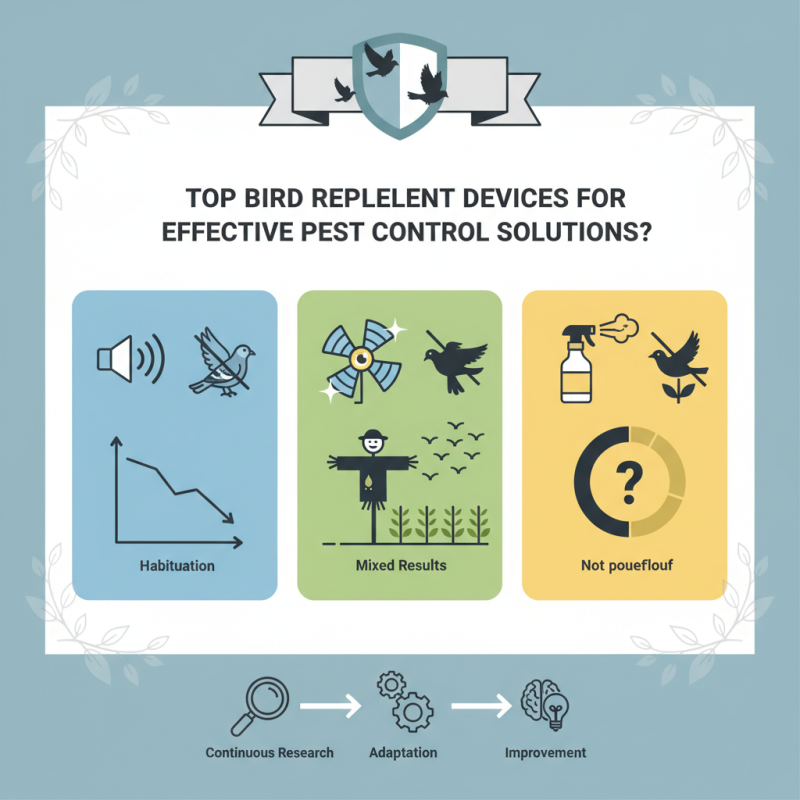
Bird Repellent Devices have gained popularity among farmers and property owners. These devices utilize various techniques, such as sound, visual deterrents, and chemical repellents, to keep birds at bay. For instance, devices that emit ultrasonic sounds can deter species like pigeons and sparrows without harming them. However, not all methods are equally effective. Some reports show that certain devices lose efficacy over time, requiring users to adapt their strategies.
Addressing bird control is not simple. Each environment presents unique challenges. While Bird Repellent Devices have their merits, they are not foolproof. Some users find mixed results, leading to frustration. Continuous research and adaptation are needed to improve effectiveness and ensure lasting solutions for bird pest control.
Overview of Bird Repellent Devices and Their Importance in Pest Control
Bird repellent devices offer critical solutions for managing pest control. These tools are designed to deter birds from specific areas, reducing damage to crops and property. Effective bird repellent methods include visual devices, sound deterrents, and physical barriers. Visual devices like reflective tape or predator decoys can startle birds and prevent them from settling in unwanted places.
Proper placement is essential for these devices to work. They should be installed in high-traffic areas where birds commonly gather. However, many users overlook this detail, leading to ineffective results. Sound deterrents can also be hit or miss. Some birds adapt quickly to noises, rendering the device useless over time. It's important to regularly rotate the sounds or change locations to maintain effectiveness.
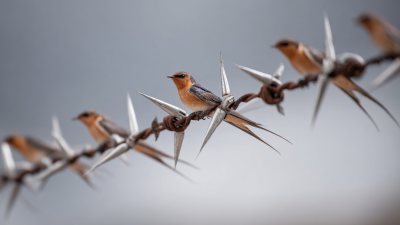
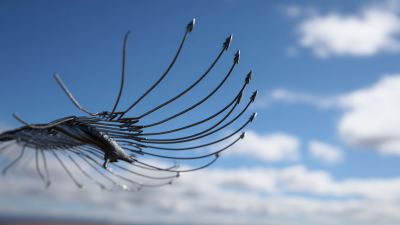
Physical barriers, like nets or spikes, provide another option. These can be labor-intensive to install, but they often yield the best long-term results. However, maintenance is key, as debris can obstruct their effectiveness. Users must also consider local bird species and migration patterns, as not all devices work for every situation. The journey to effective bird control involves trial and error, making it a continuous learning process.
Types of Bird Repellent Devices: A Comprehensive Guide
Bird repellent devices come in various forms, each designed to deter different bird species. Visual deterrents like scarecrows or shiny objects rely on birds’ natural instincts. When these birds see movement or reflective surfaces, they often feel threatened. However, some birds may become accustomed to these methods over time. Regular changes in placement or design may enhance their effectiveness.
Sound devices, on the other hand, utilize recorded bird distress calls or predatory bird sounds. These sounds can create an environment of fear for smaller birds. But, the effectiveness of such devices greatly varies. Not all devices are effective across all locations. Environment, bird types, and other factors influence results. Additionally, not every sound may deter every bird.
Ultrasonic repellents provide another alternative. They emit frequencies that are annoying to birds but inaudible to humans. While they sound promising, the science behind their effectiveness is not universally accepted. Some users report mixed results. Reflecting on the various methods is crucial; a one-size-fits-all approach rarely works. Adapting techniques based on specific situations can lead to better outcomes.
Effectiveness of Various Bird Repellent Methods: Pros and Cons
Bird repellent methods can vary widely in their effectiveness. Some people rely on visual deterrents, such as plastic owls or reflective tape. These can create a sense of danger for birds, but their success often decreases over time. Birds can quickly adapt to these methods, making them less effective. Regularly changing the location or type of visual deterrent is crucial.
Sound devices are another popular option. These emit distress calls or predator noises. They can be effective at first, but birds may become desensitized to repeated sounds. There’s also the risk that these sounds may annoy nearby residents. Additionally, using chemical repellents requires careful consideration. While they may prevent birds from landing, they can pose risks to other wildlife and the environment.
Most bird repellent strategies have their pros and cons. What works for one situation may not suit another. It’s important to assess the specific bird problem at hand. Experimentation might be necessary to find the most suitable solution. Keeping an open mind about alternatives can lead to a successful pest control approach.
Top Bird Repellent Devices for Effective Pest Control Solutions
| Method |
Effectiveness |
Pros |
Cons |
| Ultrasonic Repellers |
Moderate |
Humane, easy to use |
May not work on all species |
| Visual Deterrents (e.g., Scarecrows) |
Variable |
Low cost, reusable |
Less effective over time |
| Bird Spikes |
High |
Durable, long-lasting |
Can be expensive, installation required |
| Netting |
High |
Effectively prevents access |
Can obstruct views, requires proper installation |
| Chemical Repellents |
Moderate |
Quick results |
Potential harm to environment and non-target species |
Factors to Consider When Choosing Bird Repellent Devices
When choosing bird repellent devices, various factors come into play. One key aspect is the area of application. Large open spaces may require different solutions than urban environments. For instance, reflective surfaces can work well in wide areas but may not be effective in crowded streets.
The type of birds also matters. Different species respond to different stimuli. Some devices use sound to scare birds away, while others rely on visual deterrents. Assessing the specific bird problem is crucial for effective pest control. Another consideration is the durability of the device. Some may break easily or wear out quickly. Investing in a more robust option could save you time and money in the long run.
Costs can vary significantly, and it's essential to weigh efficiency against price. Some cheaper options might not provide long-term solutions. It's important to read reviews and gather insights before making a decision. Finally, maintenance requirements should not be overlooked. Some devices need constant monitoring, which can be tedious for many.
Comparison of Bird Repellent Devices Effectiveness
Safety and Environmental Impact of Bird Repellent Solutions
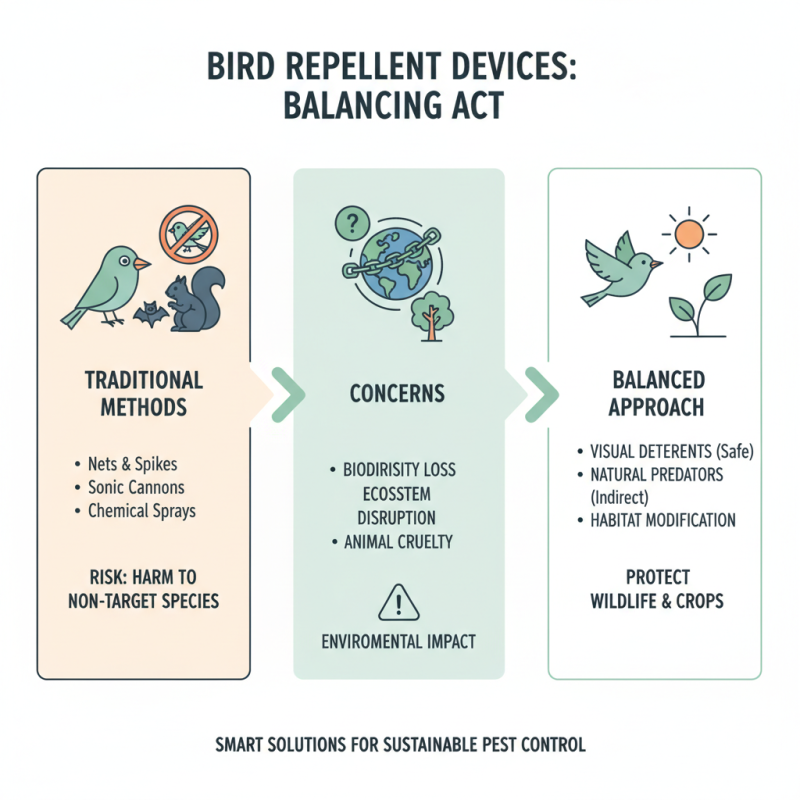
Bird repellent devices are essential for controlling pest issues. However, their safety and environmental impact raise important questions. Many traditional methods can harm non-target species. This is concerning for biodiversity. Often, we overlook the effect these devices have on local wildlife and ecosystems. A balanced approach is necessary.
Some bird repellent solutions use natural ingredients. These options tend to have a lower environmental footprint. However, even natural substances require careful application. Misuse can lead to unintended consequences. Conversely, sound devices designed to scare birds away have no chemical dependence. Still, they can disturb other animals and humans alike.
It’s vital to consider the long-term effects of repellents. Could they disrupt mating habits of local birds or other species? The goal should be effective pest control without collateral damage. Continuous reflection on our methods is crucial. Sustainable practices need to remain at the forefront of pest management discussions. We must ensure that our solutions do not create new problems while solving existing ones.



 Bird & Pigeon Pest Control
  Mice & Rat Pest Control
  Mole & Vole & Gopher Pest Control
  Fly Insect Pest Control
  Wasp & Bee Pest Control
  Moth Pest Control
  Mosquito Pest Control
  Cockroach Pest Control
  Wildlife Pest Control
  Snake Pest Control
  Bed Bug & Flea Pest Control
  Snail & Slug Pest Control
  Ant & Termites Pest Control
  Spider Pest Control
  Other Insect Pest Control
  Garden Products
  Blog
Blog  Dining Group
 Occasional Tables
 Barstool
 Company Profile
 Our Advantages
 Certification
 Factory VR
 Photos
 Videos
 Product News
 Industry News
 Media Live
 Our Services
 Distributor and Agent
 FAQs
FAQs