How to Use Bird Repellent Ball for Effective Pest Control?
In recent years, effective pest control has become a significant concern for gardeners and property owners. The "Bird Repellent Ball" has emerged as a popular solution. According to Dr. Sarah Jennings, a recognized expert in avian behavior, “The Bird Repellent Ball provides a safe and eco-friendly way to deter pests without harming them.”
This innovative tool can effectively keep birds away from gardens and crops. It's crucial to understand how to use it properly for maximum impact. Placing the balls in strategic areas can create a barrier that birds are hesitant to cross. However, users should note that results may vary.
Some may find that birds adapt over time. Thus, changing the placement or number of balls could be necessary. This raises questions about the effectiveness of persistence in pest control. Monitoring how birds interact with the repellent is essential for ongoing success. Overall, the Bird Repellent Ball represents a practical method, but users must remain observant and flexible in their approach.

Understanding Bird Repellent Balls: What They Are and How They Work
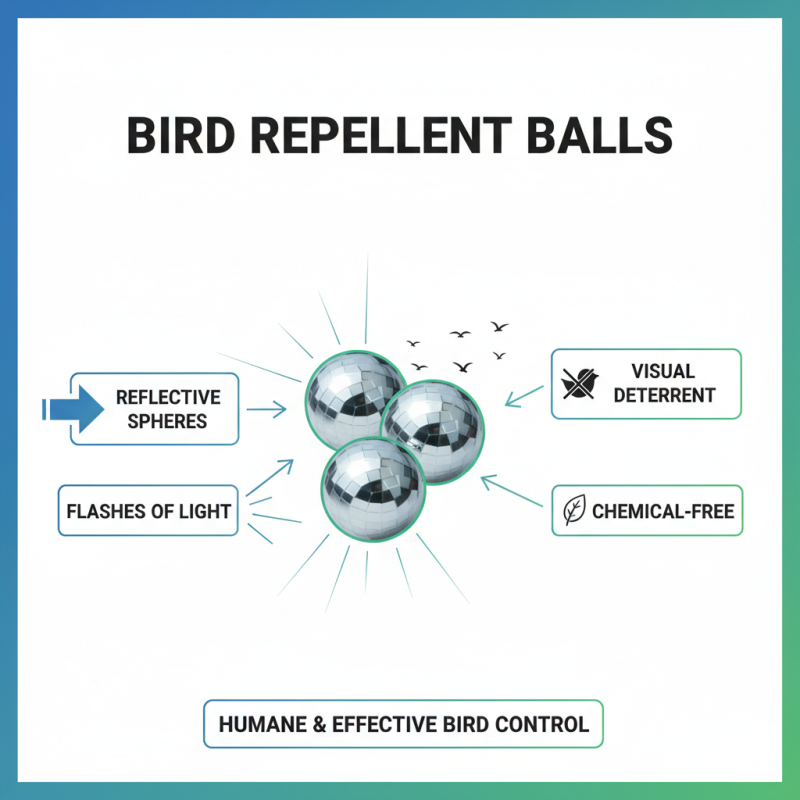
Bird repellent balls are intriguing devices designed to deter unwanted birds. These small, often colorful balls are made from reflective materials. They create bright flashes of light that confuse and scare birds away. The concept is simple yet clever. Instead of using harmful chemicals, they rely on visual deterrents.
Placement is crucial for effectiveness. Hanging these balls in gardens, patios, or by windows can provide a significant impact. However, users should consider the specific bird species in their area. Some birds might be less affected by these lights. Experimenting with different locations may yield better results. Watching how birds react can be a learning experience.
It's also important to note that these repellent balls may not work in all situations. Environmental factors, such as weather or the presence of food sources, can influence their effectiveness. Observing how often birds return after using these tools is key. Testimonials about their efficacy can vary greatly. Each garden or yard presents unique challenges, prompting a need for adjustment and reflection.
Choosing the Right Bird Repellent Ball for Your Needs
Choosing the right bird repellent ball can make a significant difference in your pest control efforts. Different situations call for various designs and materials. It is crucial to assess where you plan to use them. Open areas like gardens may require larger, more reflective balls. On the other hand, smaller spaces could benefit from compact options.
Consider the product’s durability. Some balls may fade in sunlight or crack in extreme temperatures. A ball that doesn’t withstand the elements will need frequent replacement. Ultimately, that’s a waste of both time and money. You might also want to think about how these repellent balls will look in your space. An attractive design can blend seamlessly with your outdoor decor.
Researching user reviews can provide insight into effectiveness. Not every ball works perfectly in all conditions. Users often share their experiences, which can help you choose wisely. Remember, there’s always room for trial and error. Observe how birds respond to your chosen repellent. If you notice persistence, a change may be necessary. Choosing the right ball isn’t a one-size-fits-all solution; it often requires adjustments.
Step-by-Step Guide: How to Properly Install Bird Repellent Balls
Bird repellent balls can be a great tool for keeping pests away. However, proper installation is key to their effectiveness. Start by identifying the areas where birds often gather. Look for nesting spots or places where they feed. Once you have these spots marked, prepare to install the bird repellent balls.
When installing, make sure to space the balls evenly. This can help create an invisible barrier that birds will avoid. Use a strong string or wire to hang them securely. If they sway or fall, they may not be as effective. This might require adjustments and some trial and error.
Moreover, pay attention to your surroundings. The location needs sunlight and airflow to ensure the balls remain effective. If they get damaged by weather, replace them promptly. Keep in mind that using bird repellent balls may not be a one-size-fits-all solution. Observing how the birds react can help you adjust your strategy for better results.
Best Practices for Maintaining Bird Repellent Balls for Longevity
Maintaining bird repellent balls is crucial for their effectiveness. Regular checks can ensure they remain functional. Industry reports show that proper maintenance can extend their lifespan significantly. For instance, it’s recommended to inspect them at least once a month. Early detection of wear or damage allows for timely replacements.
Placement is also vital. Birds often adapt to their surroundings. The location of the repellent balls should be varied periodically. This can prevent birds from becoming accustomed to them. Research indicates that repositioning every few weeks increases their efficacy by up to 30%. Consider placing them in areas where birds frequently visit.
Cleaning the balls is essential too. Dust and debris can hinder their performance. A mild soap solution can be used for cleaning. In some cases, a diluted vinegar solution may help eliminate stubborn grime. It’s also worth noting that environmental factors like UV exposure can degrade materials over time. Keeping a maintenance log can be helpful. This way, you can track changes and adjust your strategy. Identify what works and what doesn't.
Safety Tips and Environmental Considerations When Using Bird Repellent Balls
Using bird repellent balls can be an effective means of pest control. However, safety and environmental considerations are crucial. Ensure that the materials used in these balls are non-toxic. This prevents harming other wildlife, pets, or even children. Always read any available instructions before usage. Proper storage is essential. Out of reach of small hands and curious animals is ideal.
Consider the location of these repellent balls. Avoid placing them in areas where beneficial birds reside. Monitor the surrounding environment for any adverse effects. While bird repellent balls can deter nuisances, they may also alter the local ecosystem. They can potentially scare away desired birds too. It's important to reflect on the balance between control and protection of nature.
Some users report mixed results. Effectiveness might vary based on the location and type of birds. It's necessary to be patient and observe the impact over time. Adjust your strategy according to the findings. This process often invites learning. Being vigilant and adaptive can lead to better results in pest management.



 Bird & Pigeon Pest Control
  Mice & Rat Pest Control
  Mole & Vole & Gopher Pest Control
  Fly Insect Pest Control
  Wasp & Bee Pest Control
  Moth Pest Control
  Mosquito Pest Control
  Cockroach Pest Control
  Wildlife Pest Control
  Snake Pest Control
  Bed Bug & Flea Pest Control
  Snail & Slug Pest Control
  Ant & Termites Pest Control
  Spider Pest Control
  Other Insect Pest Control
  Garden Products
  Blog
Blog  Dining Group
 Occasional Tables
 Barstool
 Company Profile
 Our Advantages
 Certification
 Factory VR
 Photos
 Videos
 Product News
 Industry News
 Media Live
 Our Services
 Distributor and Agent
 FAQs
FAQs